

Chemical Peels
Overview
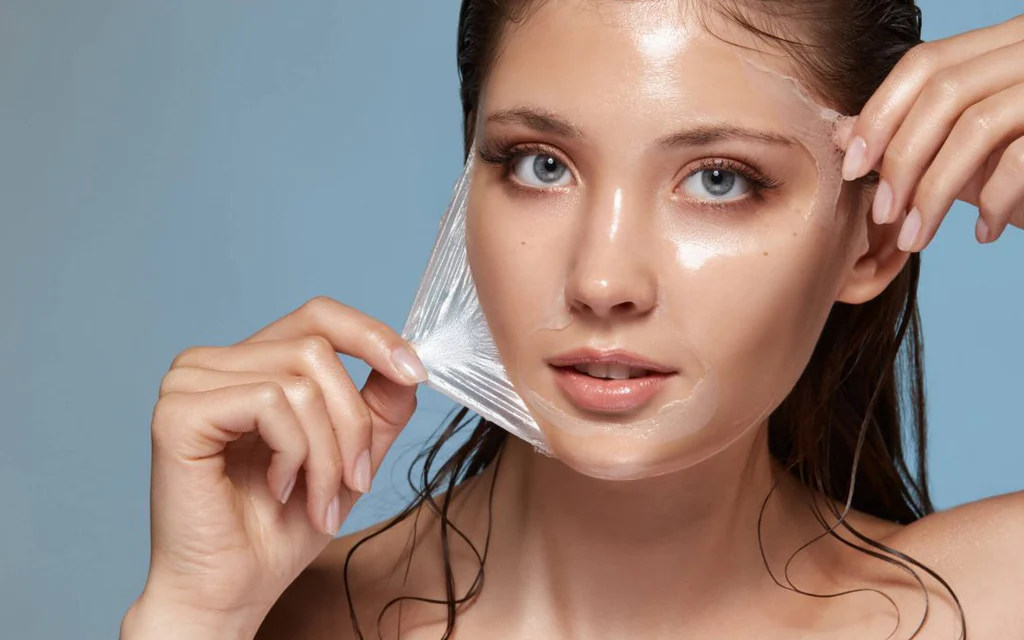
Why it's done
Improving skin texture: Chemical peels can help to smooth out rough skin texture, making the skin feel softer and more even.
Reducing fine lines and wrinkles: By promoting collagen production and exfoliating the outer layers of the skin, chemical peels can help to reduce the appearance of fine lines and wrinkles.
Treating acne: Chemical peels can help to unclog pores, reduce inflammation, and promote healing, making them an effective treatment for certain types of acne.
Reducing hyperpigmentation: Chemical peels can lighten dark spots and even out skin tone by removing the outer layers of skin where excess pigment is located.
Treating sun damage: Chemical peels can help to repair sun-damaged skin by removing damaged outer layers and promoting the growth of healthier, more youthful-looking skin.
Risk
- Skin irritation
- Hyperpigmentation or hypopigmentation
- Scarring
- Infection
- Increased sensitivity to sunlight
- Allergic reactions
- Incomplete results
- Reactivation of herpes simplex virus
- Duration of recovery
How do I get ready for chemical peels treatment?
- Consultation: Ensure patients have a consultation with a dermatologist or skincare professional to assess their skin type, concerns, and suitability for the treatment.
- Pre-treatment skincare: Patients may be advised to prepare their skin with specific skincare products recommended by the healthcare provider to optimize results and minimize complications.
- Avoid certain products: Patients should refrain from using retinoids, exfoliating agents, and waxing treatments in the days leading up to the peel.
- Sun protection: Emphasize the importance of sun protection before and after the treatment to prevent sun damage and ensure optimal healing.
- Medication review: Patients should disclose any medications they are taking, as certain medications may need to be adjusted or discontinued temporarily to minimize the risk of adverse reactions.
- Post-treatment care: Educate patients about post-peel care, including the use of gentle skincare products, avoidance of sun exposure, and adherence to any specific instructions provided by the healthcare provider.
- Follow-up appointments: Schedule follow-up appointments to monitor the patient’s progress, address any concerns, and determine the need for additional treatments or adjustments to the skincare routine.
