

Striclure Urethra
Overview
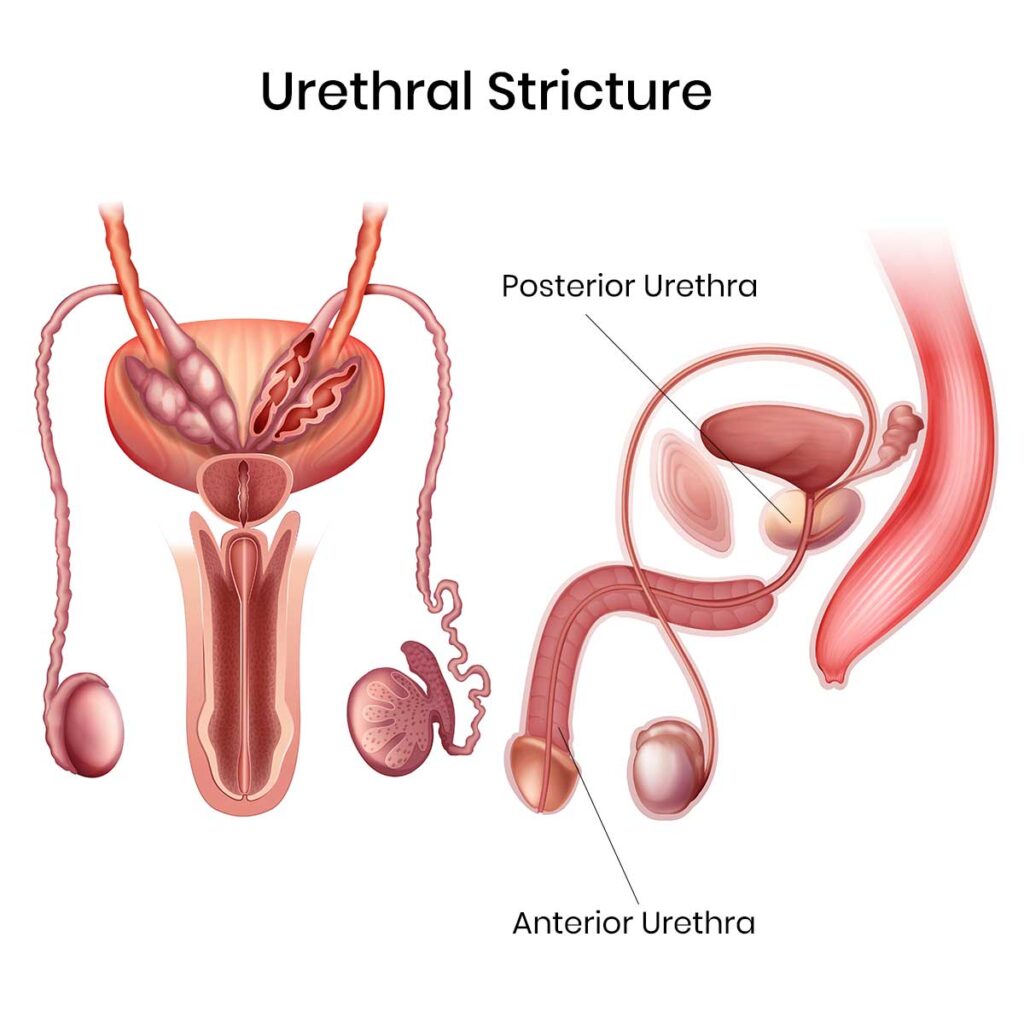
At Indotaj Medical Center in Tajikistan, urethral stricture is characterized by the narrowing of the urethra. The urethra serves as the tube that transports urine from the bladder through the penis and out of the urethral meatus, the opening at the tip of the penis, during the process of urination.
Men experiencing a stricture may encounter increasing discomfort during urination and a gradual slowing of the urinary stream. This condition can progress over time, leading to the need for increased effort, pushing, or straining to facilitate urine flow. In some cases, the issue may arise suddenly, without prior difficulties, necessitating prompt and immediate medical attention.
Why it's done
Relieve Symptoms: Urethral stricture can cause discomfort and difficulty with urination. The primary goal of the treatment is to alleviate symptoms such as pain, urinary hesitancy, weak stream, and straining during urination.
Restore Urinary Flow: The narrowing of the urethra can impede the normal flow of urine. Treatment aims to widen or remove the obstruction, restoring a more regular and efficient urinary flow.
Prevent Complications: Urethral strictures, if left untreated, can lead to complications such as urinary retention, urinary tract infections (UTIs), and kidney problems. Addressing the stricture helps prevent these complications and maintains the health of the urinary system.
Improve Quality of Life: By resolving the symptoms associated with urethral stricture, the procedure aims to enhance the overall quality of life for individuals affected by this condition.
Prevent Recurrence: Depending on the cause of the stricture, the procedure may involve techniques to reduce the likelihood of recurrence, providing a more long-term solution.
Risk
- Bleeding
- Infection
- Urinary Retention
- Formation of Scar Tissue
- Urinary Incontinence
- Erectile Dysfunction
- Pain and Discomfort
- Recurrence of Stricture
How do I get ready for urethral stricture surgery?
Consultation with Your Healthcare Provider:
- Schedule a preoperative consultation with your urologist or healthcare provider.
- Discuss your medical history, current medications, and any allergies.
- Inform your healthcare provider about any pre-existing health conditions.
Diagnostic Tests:
- Undergo any necessary diagnostic tests, such as imaging studies or urethroscopy, to assess the extent and location of the stricture.
Medication Review:
- Review your medications with your healthcare provider. You may need to adjust or temporarily stop certain medications, especially blood-thinning drugs, as per your healthcare provider’s instructions.
Fasting Instructions:
- Follow specific fasting instructions provided by your healthcare team, typically requiring you to refrain from eating or drinking for a specified period before the surgery.
Preoperative Health Optimization:
- Work with your healthcare team to optimize your overall health before the surgery. This may involve managing chronic conditions, quitting smoking, or addressing other lifestyle factors.
Urinalysis and Blood Tests:
- Provide a urine sample for urinalysis to check for any existing urinary tract infections.
- Undergo blood tests to assess your overall health and ensure that you are fit for surgery.
Arrange Transportation:
- Plan for transportation to and from the hospital or surgical center on the day of the procedure, as you may not be able to drive yourself.
Postoperative Care Planning:
- Discuss postoperative care instructions with your healthcare team, including details about managing pain, potential complications, and follow-up appointments.
Support System:
- Ensure you have a support system in place, including someone to assist you at home during the initial recovery period.
Ask Questions:
- Feel free to ask any questions or seek clarification about the procedure, potential risks, and the expected recovery process.
