

Pyialithotomy/Pyeloplasty
Overview
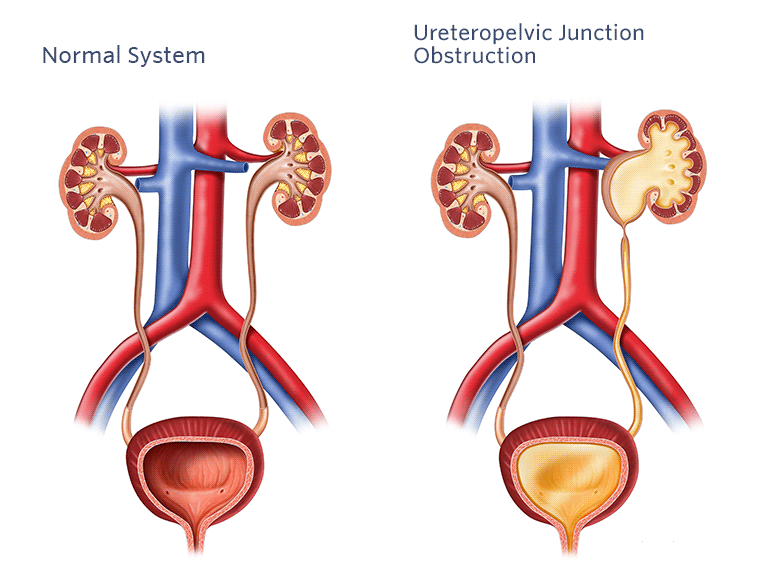
Pyeloplasty is a surgical procedure performed to correct a condition known as ureteropelvic junction (UPJ) obstruction. The term “pyelo” refers to the kidney, specifically the renal pelvis, and “plasty” indicates a surgical procedure aimed at repairing, restoring, or replacing a structure. UPJ obstruction occurs when there is a blockage or narrowing at the point where the renal pelvis connects to the ureter, impeding the flow of urine from the kidney.
Why it's done
Pyeloplasty is performed to address a condition known as ureteropelvic junction (UPJ) obstruction. The decision to undergo Pyeloplasty is based on specific indications and symptoms associated with this obstruction. Here are the primary reasons why Pyeloplasty is done:
- Ureteropelvic Junction (UPJ) Obstruction
- Hydronephrosis
- Pain and Discomfort
- Impaired Kidney Function
- Recurrent Urinary Tract Infections (UTIs)
- Preservation of Kidney Function
- Management of Symptoms
- Prevention of Complications
Risk
Coronary artery bypass surgery, like any major surgery, can pose potential risks and complications. Some of these include:
- Bleeding
- Infection
- Urinary Leaks
- Reaction to Anesthesia
- Scarring (Stricture)
- Incomplete Resolution of Symptoms
- Hernia Formation
- Failure of the Procedure
How do I get ready for Pyeloplasty surgery?
At Indotaj Medical Center in Tajikistan, thorough preparation for Pyeloplasty is essential to ensure a safe and successful procedure. Here are the specific guidelines for the day before the surgery:
NPO Instructions (Nothing by Mouth):
- The day before the procedure, you or your child will be given specific instructions regarding fasting. It is crucial to abstain from eating or drinking for the designated time specified by your healthcare provider. Adhering to these NPO instructions is essential to avoid complications during the surgery.
Compliance with Instructions:
- Strict adherence to fasting guidelines is imperative. Failure to follow these instructions may lead to the postponement of the Pyeloplasty procedure. It is essential to communicate any challenges or concerns with your healthcare team promptly.
Consent Form:
- Before the surgery, you will be required to sign a consent form. This document outlines the details of the Pyeloplasty procedure, potential risks, and your agreement to undergo the surgery. Take the time to read and understand the consent form, and feel free to ask any questions you may have.
Anesthesiology Consultation:
- You will meet with the anesthesiologist before the surgery. This consultation is an opportunity to discuss your medical history, any allergies, previous reactions to anesthesia, and other relevant factors. The anesthesiologist will provide information about the anesthesia process and address any concerns you may have.
Hospital-Specific Instructions:
- Follow any additional instructions provided by Indotaj Medical Center. This may include specific details about preoperative care, arrival time at the hospital, and other requirements to ensure a smooth and efficient preparation process.
