

Ca-Cheek/ longue (RND)
Overview
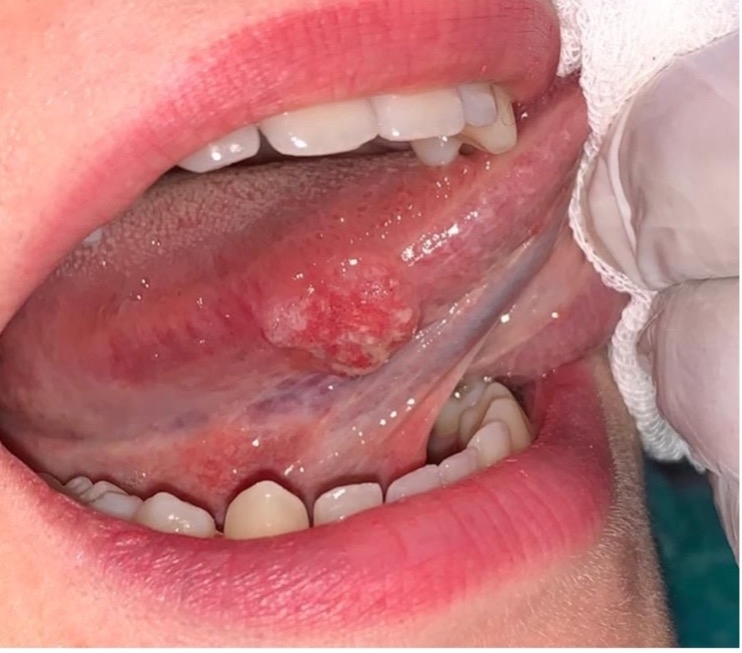
At Indotaj Medical Center, our priority is to offer personalized and compassionate care for individuals with oral cavity cancers, ensuring a comprehensive and supportive approach throughout the treatment journey If you are referring to cancer in the cheek (Ca-Cheek) or tongue (Ca-Tongue) and the mention of “RND” stands for Radical Neck Dissection, it implies a surgical procedure often done in the management of head and neck cancers, including those affecting the cheek and tongue. We provide the best treatment at Indotaj Medical Center for Ca-Cheek/ longue (RND) diseases.
Why it's done
Ca-Cheek/ longue (RND) treatment may be recommended for several reasons, including:
- When cancer in the cheek or tongue spreads to the regional lymph nodes in the neck, a Radical Neck Dissection may be performed to remove these nodes. Lymph node involvement is a common route for the spread of head and neck cancers.
- Even in the absence of clinically detectable lymph node involvement, RND may be considered if there’s a high risk of cancer spread to the neck nodes. This is often done as a preventive measure.
- RND is a comprehensive surgical approach to address the potential spread of cancer beyond the primary tumor site. It involves the removal of lymph nodes, surrounding tissues, and sometimes other structures to ensure thorough cancer removal.
- In cases where cancers of the cheek or tongue are at an advanced stage or have invaded nearby structures, a Radical Neck Dissection may be part of a more extensive surgical plan.
- RND can also serve a diagnostic purpose by providing detailed information about the extent of cancer spread in the neck, aiding in accurate staging and treatment planning.
- Understanding the lymphatic drainage patterns in the head and neck region is crucial. RND allows surgeons to remove lymph nodes that are at risk of containing cancer cells.
- RND is often performed as part of a multimodal treatment plan, including surgery, radiation
Risk
Ca-Cheek/ longue (RND) treatment, can pose potential risks and complications. Some of these include:
- Bleeding
- Infection
- Nerve Damage
- Shoulder Dysfunction
- Lymphedema
- Scarring
- Pain
- Changes in Appearance
- Swallowing Difficulties Speech Changes
How do I get ready for Ca-Cheek/ longue (RND) treatment?
Ca-Cheek/ longue (RND) treatment involves several steps to ensure a smooth procedure and recovery:
- Schedule thorough consultations with your healthcare team, including surgeons, oncologists, and support staff. Discuss the details of the planned Radical Neck Dissection, potential side effects, and expected outcomes.
- Request and review educational materials that explain the Radical Neck Dissection procedure, potential changes in appearance and function, and postoperative care.
- Consider seeking a second opinion to ensure you have explored all available treatment options and have a comprehensive understanding of your diagnosis and proposed treatment plan.
- Establish a strong support system with friends, family, or support groups. Emotional support is crucial throughout the treatment process.
- Discuss legal and financial matters, such as advance directives and medical power of attorney, with your loved ones. Understand insurance coverage and potential costs associated with treatment.
- Wear loose, comfortable clothing on the day of surgery, taking into account any dressings or bandages that may be applied postoperatively.
- Bring essential personal items, including identification, insurance information, and any paperwork provided by the medical center.
- Arrange for a support person to accompany you on the day of surgery and assist with postoperative care.
