

Electroconvulsive therapy (ECT)
Overview
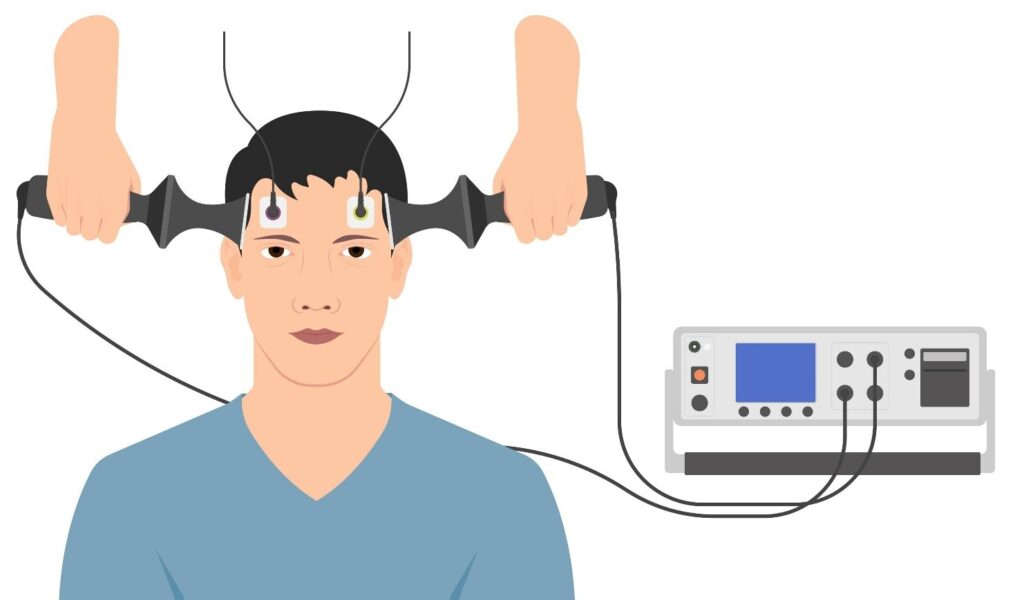
Indotaj Medical Center in Tajikistan offers Electroconvulsive Therapy (ECT), a procedure conducted under general anesthesia. During ECT, controlled small electric currents are passed through the brain, intentionally inducing a brief seizure. This process is designed to bring about changes in brain chemistry, effectively and rapidly alleviating symptoms associated with certain mental health conditions.
ECT is often considered when other treatment options prove unsuccessful, and it has shown efficacy upon completion of the full treatment course. While it may not be universally effective, ECT has evolved significantly from early treatments that carried a stigma due to the administration of high electric currents without anesthesia, resulting in severe side effects like memory loss and fractures.
Modern ECT at Indotaj Medical Center prioritizes safety and efficacy. The procedure utilizes electric currents in a controlled environment, aiming to provide maximum benefits with minimal risks. While some side effects may still occur, they are carefully managed to ensure the well-being of the patient. Our commitment is to deliver ECT with the highest standards of care, reflecting advancements in medical practices and a focus on patient safety.
Why it's done
Severe Depression:
- Particularly beneficial when depression is accompanied by psychosis, suicidal tendencies, or refusal to eat.
Treatment-Resistant Depression:
- For cases of severe depression that do not respond to conventional medications or other treatments.
Severe Mania:
- Addressing intense euphoria, agitation, hyperactivity, and other symptoms associated with bipolar disorder.
Catatonia:
- Targeting symptoms such as lack of movement, abnormal movements, absence of speech, often associated with schizophrenia and certain psychiatric disorders. In some instances, catatonia may be linked to underlying medical conditions.
Agitation and Aggression in Dementia:
- Providing a specialized approach for managing agitation and aggression in individuals with dementia, enhancing overall quality of life.
Risk
- Confusion
- Memory loss
- Physical side effects
- Medical complications
How do I get ready for coronary artery bypass surgery?
- Medical history
- Complete physical exam
- Psychiatric assessment
- Basic blood tests
- Electrocardiogram (ECG) to check your heart health
- Discussion of the risks of anesthesia
