

MRP
Overview
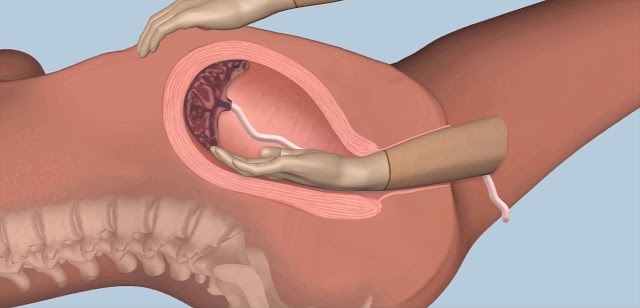
Manual Removal of the Placenta (MRP) is a medical procedure performed when the placenta does not naturally separate and is not expelled from the uterus following childbirth. The procedure involves the healthcare provider manually extracting the placenta from the uterine wall. At Indotaj Medical Center you can get the best treatment from experience staff.
Why it's done
MRP may be recommended for several reasons, including:
- The primary indication for MRP is when the placenta remains attached to the uterine wall and is not expelled within a certain time frame after the delivery of the baby.
- If the placenta is only partially expelled, manual removal may be required to ensure the complete removal of the placental tissue.
- Leaving the placenta in place increases the risk of complications, including postpartum hemorrhage, infection, and other uterine issues. MRP is performed to minimize these risks.
- MRP is often indicated in cases of postpartum hemorrhage where the retained placenta contributes to excessive bleeding.
- Physiological management involves waiting for the placenta to be expelled naturally. If this process fails or is delayed, MRP may be considered.
- In some cases, the placenta may be adherent to the uterine wall, making it difficult for it to separate and be expelled on its own. MRP is necessary to detach and remove the placenta.
- Retained placental tissue increases the risk of infection. MRP helps prevent infection by ensuring the complete removal of the placenta.
- If there is a lack of uterine contractions (uterine atony), which can prevent the natural expulsion of the placenta, MRP may be performed to address this issue.
- If the third stage of labor, which involves the delivery of the placenta, is prolonged, and efforts to facilitate its natural expulsion are unsuccessful, MRP may be considered.
Risk
MRP, can pose potential risks and complications. Some of these include:
- Bleeding
- Infection
- Uterine Perforation
- Retained Placental Fragments
- Postpartum Hemorrhage
- Anesthesia Risks
- Uterine Atony
- Pain and Discomfort
- Psychological Impact
How do I get ready for MRP?
MRP involves several steps to ensure a smooth procedure and recovery:
- Your healthcare provider will assess the situation and determine the need for MRP based on factors such as the retention of the placenta, signs of postpartum hemorrhage, or other complications.
- Your healthcare provider will explain the reasons for MRP, the procedure itself, potential risks, and alternatives. Provide informed consent after understanding the information.
- Discuss anesthesia or analgesia options with your healthcare team. Depending on the circumstances, local or regional anesthesia may be used to manage pain during the procedure.
- In cases where bleeding is a concern, blood type and crossmatching may be done to prepare for possible transfusions if needed.
- The procedure is performed under sterile conditions. Ensure that the healthcare team maintains proper hygiene and uses sterile instruments.
