

Closed Reduction/K-wire
Overview
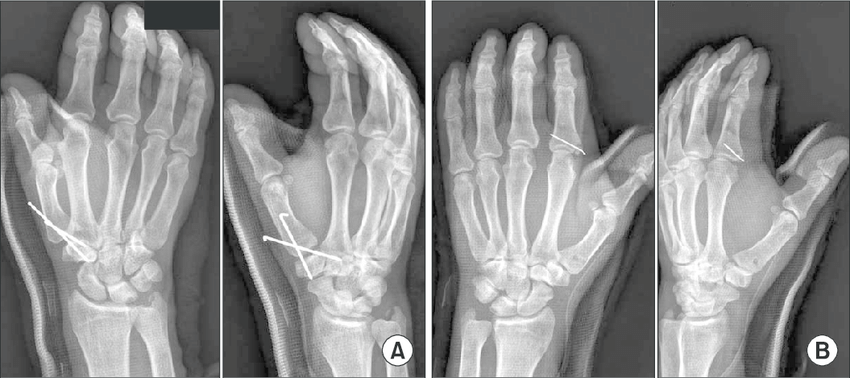
At Indotaj Medical Care, we specialize in advanced orthopedic procedures to ensure optimal outcomes for our patients. Our approach to closed reduction and K-wire fixation is designed to provide effective fracture management with a focus on minimally invasive techniques.At Indotaj Medical Care, our orthopedic experts tailor treatment plans to individual needs, ensuring comprehensive care from preoperative guidance to postoperative monitoring. Trust us for personalized and effective orthopedic solutions.
Why it's done
Closed Reduction/K-wire may be recommended for several reasons, including:
- Severe blockage or narrowing in the coronary arteries that limits blood flow to the heart muscle.
- Significant damage or disease affecting multiple heart arteries, reducing heart function.
- Ineffectiveness or unsuitability of less invasive procedures like angioplasty or stenting to address arterial blockages.
- Presence of critical blockages, especially in the left main coronary artery, impacting blood supply to a substantial portion of the heart.
- Persistent chest pain (angina) despite medication or other treatments, indicating reduced blood flow to the heart.
Risk
Closed Reduction/K-wire , can pose potential risks and complications. Some of these include:
- Incomplete Reduction
- Neurovascular Complications
- Soft Tissue Injury
- Risk of Infection
- Migration of K-wires
- Breakage of K-wires
- Joint Stiffness
- Allergic Reaction
- Bleeding and Hematoma
- Anesthesia Risks
- Postoperative Pain
- Deep Vein Thrombosis (DVT) and Pulmonary Embolism (PE)
How do I get ready for Closed Reduction/K-wire?
Preparing for Closed Reduction/K-wire involves several steps to ensure a smooth procedure and recovery:
- Schedule and attend a preoperative consultation with your orthopedic surgeon. Discuss your medical history, current medications, and any pre-existing conditions.
- Complete any necessary diagnostic tests, such as X-rays, CT scans, or blood tests, as recommended by your surgeon.
- Undergo a comprehensive medical evaluation to assess your overall health and identify any factors that might impact the surgery.
- Wear loose, comfortable clothing on the day of the procedure. This makes it easier to change into a gown if necessary.
- Bring necessary personal items, including identification, insurance information, and any documents provided by your healthcare team.
- Adhere to any specific preoperative instructions provided by your surgeon or healthcare team.
