

Radius Ulna-Plating Nail
Overview
The radius and ulna are two long bones located in the forearm, forming the skeletal structure between the elbow and the wrist.
“Plating Nail” likely refers to orthopedic implants used in fracture fixation or orthopedic surgeries. These devices are designed to stabilize fractured bones, promote healing, and restore normal anatomical alignment. The term can encompass various types of implants, including plates and nails, commonly used in orthopedic procedures.
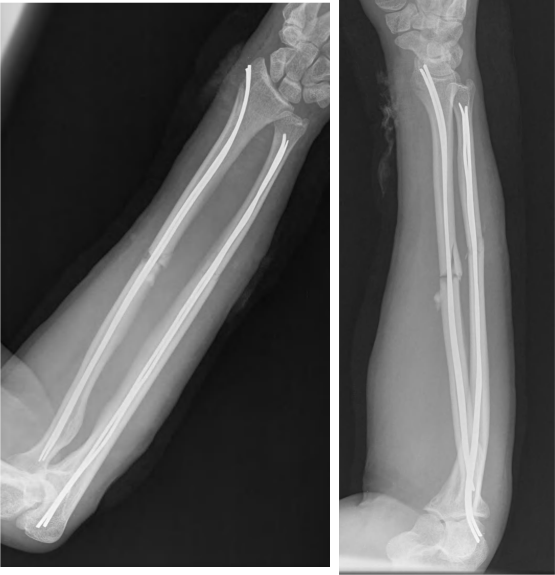
Why it's done
Radius Ulna-Plating Nail may be recommended for several reasons, including:
- The most common reason for using a Radius Ulna-Plating Nail is the presence of fractures in both the radius and ulna bones. These fractures may result from trauma, falls, or other injuries.
- In cases where fractures are complex or involve multiple fragments, surgical intervention with a plating nail system may be chosen for stability and optimal alignment during the healing process.
- Plating nails provide internal fixation, stabilizing the fractured bones and promoting the natural healing process. This helps prevent further displacement and allows for a more controlled and guided healing.
- The use of a Radius Ulna-Plating Nail helps maintain the proper alignment of both the radius and ulna during the healing phase, reducing the risk of malunion or improper healing.
- The surgical approach using plating nails often involves smaller incisions, contributing to less disruption of surrounding soft tissues compared to traditional open surgeries.
- Internal fixation with plating nails may allow for early mobilization and rehabilitation, contributing to a faster recovery and reduced risk of joint stiffness.
- Stabilizing fractures with plating nails can contribute to pain reduction by preventing excessive movement of the fractured bones, facilitating a more comfortable recovery.
- Plating nail systems are designed to be versatile, allowing orthopedic surgeons to customize the implant to the specific anatomy of the patient, enhancing the precision of the surgical procedure.
Risk
Radius Ulna-Plating Nail, can pose potential risks and complications. Some of these include:
- Bleeding
- Infection
- Nerve or Blood Vessel Injury
- Hardware Issues
- Delayed Healing or Nonunion
- Malunion
- Joint Stiffness
- Complications from Anesthesia
- Deep Vein Thrombosis (DVT) and Pulmonary Embolism (PE)
- Skin Complications
- Pain and Discomfort
How do I get ready for Radius Ulna-Plating Nail?
Preparing for Radius Ulna-Plating Nail involves several steps to ensure a smooth procedure and recovery:
- Schedule a thorough consultation with your orthopedic surgeon. Discuss your symptoms, medical history, and any concerns you may have.
- Undergo necessary diagnostic tests, such as X-rays or imaging studies, to provide detailed information about the fractures and guide the surgical planning.
- Complete a comprehensive medical evaluation to assess your overall health and identify any pre-existing conditions that may affect the surgery or anesthesia.
- Review your current medications with your healthcare provider. Adjustments may be necessary, especially for medications that affect blood clotting.
- Adhere to any specific preoperative instructions provided by your healthcare team, including arrival times and pre-surgery protocols.
- Wear loose, comfortable clothing on the day of surgery, considering ease of dressing and undressing.
- Bring necessary personal items, including identification, insurance information, and any documents provided by your healthcare team.
