

Thyroid
Overview
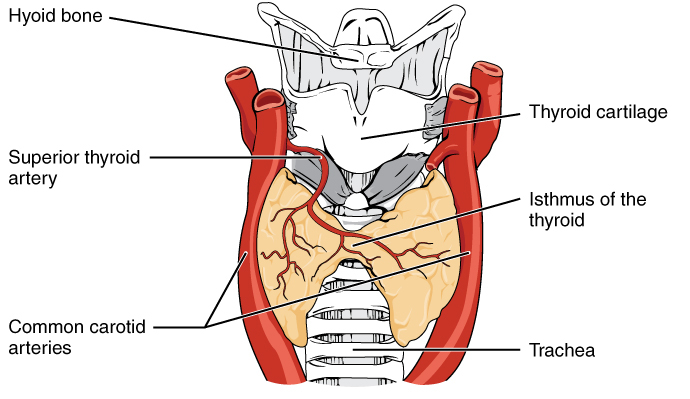
At Indotaj Medical Center, we understand the critical role of the thyroid gland in maintaining overall health. The thyroid is a small butterfly-shaped organ situated in the front of the neck, wrapped around the windpipe (trachea). As a vital gland, it produces hormones that play a key role in regulating various essential functions of the body.
The thyroid hormones influence metabolism, energy production, and the functioning of organs and tissues. When the thyroid gland malfunctions, it can lead to significant health issues. Excessive production of thyroid hormones results in hyperthyroidism, while insufficient production leads to hypothyroidism. Both conditions require careful evaluation and management by healthcare professionals.
At Indotaj Medical Center, our dedicated team is committed to providing comprehensive care for thyroid disorders. We offer thorough diagnostics, personalized treatment plans, and ongoing support to address thyroid-related concerns. Trust us for expert care and guidance to ensure the optimal functioning of your thyroid and overall well-being
Why it's done
- Hyperthyroidism occurs when the thyroid gland produces an excessive amount of thyroid hormones. Treatment aims to normalize hormone levels and alleviate symptoms such as rapid heartbeat, weight loss, anxiety, and heat sensitivity.
- Hypothyroidism results from an underactive thyroid gland, leading to low levels of thyroid hormones. Treatment involves hormone replacement therapy to restore normal hormone levels and address symptoms like fatigue, weight gain, cold intolerance, and depression.
- Treatment may be necessary if thyroid nodules, which are abnormal growths on the thyroid gland, are detected. Depending on the nature of the nodules, interventions may include monitoring, medication, or, in some cases, surgery.
- Thyroiditis refers to inflammation of the thyroid gland. Treatment depends on the cause of the inflammation and may include medications to reduce inflammation and manage symptoms.
- In cases of thyroid cancer, treatment involves various modalities, including surgery, radioactive iodine therapy, and, in some cases, external beam radiation. The specific approach depends on the type and stage of the cancer.
- A goiter is an enlargement of the thyroid gland. Treatment may be required if the goiter is causing symptoms such as difficulty swallowing or breathing. Interventions may include medication, surgery, or radioactive iodine therapy.
- In individuals with Graves’ disease, an autoimmune condition leading to hyperthyroidism, eye complications may occur. Treatment may involve managing symptoms and, in severe cases, surgery to address eye-related issues.
- Graves’ disease is an autoimmune disorder causing hyperthyroidism. Treatment options include medications to regulate thyroid hormones, radioactive iodine therapy, or, in some cases, surgery.
- Pregnant individuals with thyroid hormone imbalances may require treatment to ensure optimal thyroid function for both maternal and fetal health.
- Some individuals may require ongoing treatment to manage thyroid conditions and maintain stable hormone levels. This may involve medication adjustments and regular monitoring.
Risk
- Hypothyroidism Risk
- Liver Complications
- Allergic Reactions
- Bleeding and Infection
- Damage to Parathyroid Glands
- Vocal Cord Injury
- Overmedication
- Cardiovascular Risks
- Bleeding and Infection
How do I get ready for Thyroid treatment?
- Schedule a consultation with your healthcare provider at Indotaj Medical Center to discuss your thyroid condition, symptoms, and treatment options. This is an opportunity to ask questions and address any concerns.
- Complete any necessary diagnostic tests, such as blood tests, imaging studies, or biopsies, to provide detailed information about your thyroid condition.
- If you are currently taking any medications, discuss them with your healthcare team. Adjustments may be needed, especially if you are taking medications that affect blood clotting or thyroid function.
- If your treatment involves surgery or a procedure requiring anesthesia, follow any fasting instructions provided by your healthcare team. Typically, you will be asked to refrain from eating or drinking for a specific period before the procedure.
- If you smoke, consider quitting or reducing smoking before the surgery or certain treatments, as smoking can impact the healing process.
- Inform your healthcare team about any allergies you may have, especially if you are undergoing treatment with medications or contrast agents.
- Wear comfortable clothing on the day of the procedure or surgery. Choose items that are easy to put on and take off.
- Bring necessary personal items, such as identification, insurance information, and any documents provided by your healthcare team.
- If your treatment involves sedation or anesthesia, arrange for someone to drive you home after the procedure. It’s advisable not to drive on your own immediately after anesthesia.
- Adhere strictly to any preoperative instructions provided by your healthcare team, including restrictions on eating, drinking, and specific guidelines for personal hygiene.
- Discuss postoperative care, including pain management strategies, activity restrictions, and any necessary follow-up appointments, with your healthcare provider.
