

Simple mastectomy
Overview
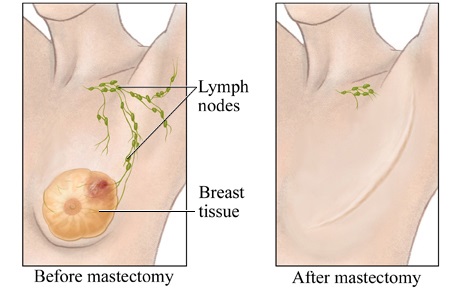
At Indotaj Medical Center in Tajikistan, a mastectomy is a surgical procedure designed to remove either a portion or the entirety of breast tissue. This procedure serves as both a treatment and preventive measure for breast cancer. In cases where breast cancer is present, surgery becomes an integral part of the comprehensive treatment plan. Additionally, for individuals at a high risk of developing breast cancer, a preventative mastectomy may be recommended to mitigate the future risk of the disease.
Recognizing that each individual’s journey is unique, we guide our patients through a series of choices, ensuring they are well-informed and empowered in making decisions that align with their preferences and health goals. At Indotaj Medical Center, we prioritize comprehensive and patient-centered care, facilitating a supportive environment for individuals navigating breast cancer treatment and prevention.
Why it's done
- Mastectomy is often performed to remove cancerous tumors from the breast. It may be recommended when the cancer is large, located in multiple areas of the breast, or when the affected breast has multiple tumors.
- In cases where breast cancer has invaded nearby tissues or involves multiple regions of the breast, a mastectomy may be the preferred surgical option.
- Some individuals may undergo mastectomy if previous treatments, such as lumpectomy or radiation therapy, were not successful in eliminating the cancer.
- Individuals with a significantly high risk of developing breast cancer, often due to a strong family history, genetic mutations (e.g., BRCA1 or BRCA2), or a history of precancerous breast conditions, may opt for preventive mastectomy to reduce their risk.
- In cases where one breast has been affected by cancer, some individuals may choose to undergo a preventive mastectomy on the unaffected breast to reduce the risk of future cancer development.
- Mastectomy may be recommended for the removal of large or problematic non-cancerous tumors, such as phyllodes tumors.
- In cases where breast cancer recurs or persists after previous breast-conserving surgeries (such as lumpectomy), a mastectomy may be recommended for more extensive removal.
- Some individuals may choose mastectomy over breast-conserving surgery due to personal preferences, concerns about recurrence, or a desire for a more extensive intervention.
- For transgender individuals seeking gender affirmation, mastectomy may be performed as part of the process to align physical characteristics with gender identity.
Risk
- Bleeding
- Infection
- Seroma Formation
- Hematoma
- Nerve Damage
- Arm and Shoulder Mobility Issues
- Chest Wall or Rib Fractures (Rare)
- Scarring
- Phantom Breast Sensation (Rare)
- Psychological Impact
- Delayed Wound Healing
How do I get ready for Simple mastectomy surgery?
- Schedule a detailed consultation with your healthcare provider to discuss the planned simple mastectomy surgery. This is an opportunity to ask questions, address concerns, and provide information about your medical history.
- Complete any necessary diagnostic tests, such as imaging studies or blood tests, as recommended by your healthcare team to assess your overall health and provide information about your breast condition.
- Discuss your current medications, including prescription and over-the-counter drugs, with your healthcare team. Adjustments may be needed, especially if certain medications can affect bleeding or anesthesia.
- Follow any fasting instructions provided by your healthcare team. Typically, you will be asked to refrain from eating or drinking for a specific period before the surgery.
- If you smoke, consider quitting or reducing smoking before the surgery, as smoking can impact the healing process and increase the risk of complications.
- Arrange for someone to drive you to and from the hospital or surgical center on the day of the surgery, as you may not be able to drive immediately after the procedure.
- Wear loose, comfortable clothing on the day of the surgery. Choose items that are easy to put on and take off.
- Bring necessary personal items, such as identification, insurance information, and any documents provided by your healthcare team.
- Follow any specific instructions for showering and skin preparation provided by your healthcare team. Proper hygiene reduces the risk of infection.
- Adhere strictly to any preoperative instructions provided by your healthcare team, including restrictions on eating, drinking, and specific guidelines for personal hygiene.
