

Dacryocystorhinostomy (DCR)
Overview
At Indotaj Medical Center, we understand the importance of addressing conditions affecting the tear drainage system, which can impact eye health and comfort. Dacryocystorhinostomy (DCR) is a surgical procedure offered at our center to treat nasolacrimal duct obstruction, promoting the proper drainage of tears and relieving associated symptoms.
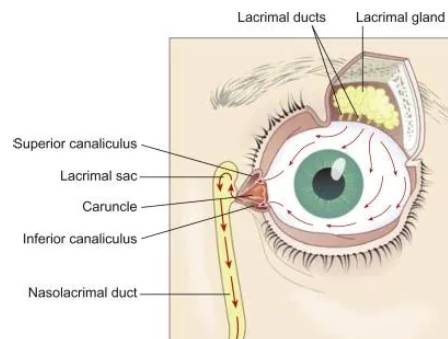
Dacryocystorhinostomy (DCR) is a surgical procedure performed to create a new passageway for tears to drain from the eye into the nose. This is commonly done when there is a blockage or obstruction in the nasolacrimal duct, leading to tear duct dysfunction.
Why it's done
Dacryocystorhinostomy (DCR) may be recommended for several reasons, including:
- Severe blockage or narrowing in the coronary arteries that limits blood flow to the heart muscle.
- Significant damage or disease affecting multiple heart arteries, reducing heart function.
- Ineffectiveness or unsuitability of less invasive procedures like angioplasty or stenting to address arterial blockages.
- Presence of critical blockages, especially in the left main coronary artery, impacting blood supply to a substantial portion of the heart.
- Persistent chest pain (angina) despite medication or other treatments, indicating reduced blood flow to the heart.
Risk
Dacryocystorhinostomy (DCR) can pose potential risks and complications. Some of these include:
- Bleeding
- Infection
- Scarring
- Failure to relieve symptoms
- Damage to surrounding structures
- Nasolacrimal duct stenosis
- Epiphora (excessive tearing)
- Anesthesia risks
- Postoperative discomfort
- Cosmetic concerns
How do I get ready for coronary artery Dacryocystorhinostomy (DCR) treatment?
Preparing for Dacryocystorhinostomy (DCR) treatment involves several steps to ensure a smooth procedure and recovery:
- Schedule a consultation with an ophthalmologist or an eye surgeon who specializes in DCR.
- Discuss your medical history, medications, and any allergies with your healthcare provider.
- Your healthcare provider may order some preoperative tests to assess your overall health and identify any potential risks.
- Your surgeon may instruct you to adjust or temporarily stop certain medications, such as blood thinners, before the surgery. Follow your healthcare provider’s recommendations regarding medication management.
- Typically, you’ll be instructed not to eat or drink anything for a specific period before the surgery. This is usually done to prevent complications related to anesthesia.
- Since you’ll be receiving anesthesia, make arrangements for someone to drive you home after the procedure.
