

Cataracts
Overview
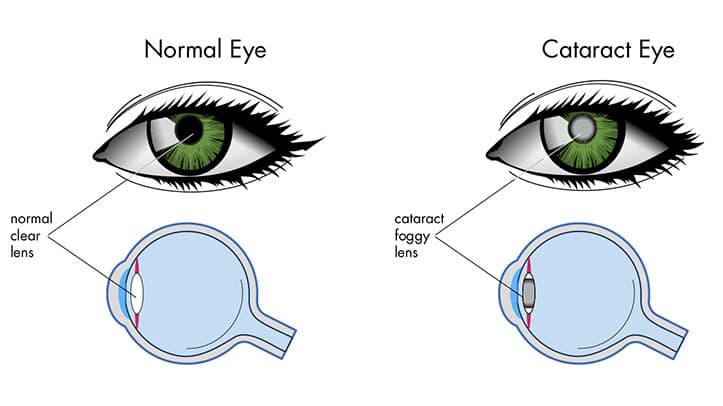
Cataracts manifest as opaque regions developing on the eye’s lens, a clear and flexible structure primarily composed of proteins known as crystallins. The natural aging process causes these proteins to degrade, resulting in the formation of cloudy patches that adversely impact vision.
It may feel akin to viewing the world through a hazy window, and as time progresses, visual acuity diminishes. Routine tasks may become challenging due to the compromised vision. At Indotaj Medical Care, cataracts are recognized as a common aspect of aging, with age-related cataracts being the most prevalent form of this condition.
However, there is a solution to address declining vision. Ophthalmologists at Indotaj Medical Care specialize in performing surgeries to remove cataracts, ultimately restoring and enhancing your vision. If you are experiencing vision issues related to cataracts, our dedicated healthcare professionals can provide the necessary expertise and care to improve your visual clarity through surgical intervention.
Why it's done
- The primary goal of cataract treatment is to improve vision. Cataracts cause clouding of the lens, leading to blurry or hazy vision. By removing the cloudy lens and replacing it with an artificial intraocular lens (IOL) through surgery, visual clarity can be restored.
- Cataracts can significantly hinder daily activities such as reading, driving, and recognizing faces. Treatment helps individuals regain the ability to perform routine tasks with greater ease and efficiency.
- Cataracts treatment contributes to an overall improvement in the quality of life. Restoring clear vision allows individuals to engage more fully in social, recreational, and professional activities without the limitations imposed by impaired vision.
- If left untreated, cataracts can lead to more severe vision problems and complications. Addressing cataracts in their early stages through surgery helps prevent the progression of visual impairment and reduces the risk of complications.
- Cataract surgery is generally a safe and highly successful procedure. Many individuals experience a high level of satisfaction with the results, enjoying improved vision and a better quality of life post-surgery.
- Healthcare providers can tailor cataract treatment plans to meet the specific needs and preferences of individual patients. The selection of intraocular lenses, surgical techniques, and postoperative care can be personalized for optimal outcomes.
Risk
- Bleeding
- Infection
- Swelling or Edema
- Retinal Detachment
- Secondary Cataract (Posterior Capsule Opacification)
- Droopy Eyelid (Ptosis)
- Dislocated Intraocular Lens (IOL)
- GlaucomaDissatisfaction with Visual Outcome
How do I get ready for coronary artery bypass surgery?
- Your healthcare team will conduct a thorough medical evaluation, including a review of your medical history, physical examination, and diagnostic tests such as blood tests, electrocardiogram (ECG or EKG), and imaging studies.
- Follow your healthcare provider’s instructions regarding medications. You may need to adjust or discontinue certain medications, especially blood thinners, in the days leading up to the surgery.
- If you smoke, it’s crucial to quit before the surgery. Smoking can adversely affect the healing process and increase the risk of complications.
- Maintain a healthy diet as advised by your healthcare provider. Proper nutrition is essential for overall health and can contribute to a smoother recovery.
- If you have diabetes, work with your healthcare team to manage your blood sugar levels. Stable blood sugar levels contribute to better surgical outcomes.
- Engage in light physical activity as recommended by your healthcare provider. Regular movement can help improve overall fitness and prepare your body for the surgery.
- Ensure you fully understand the procedure, potential risks, and benefits. Sign the informed consent form after discussing any concerns or questions with your surgeon.
- Complete any additional preoperative testing recommended by your healthcare team, such as a stress test or angiogram.
- Plan for someone to assist you after the surgery, especially during the initial recovery period at home. This may include transportation to and from the hospital.
