

Polypectomy
Overview
At Indotaj Medical Center, we specialize in performing polypectomy, a medical procedure aimed at removing abnormal tissue growths known as polyps. These growths are commonly found in organs like the colon or nasal passages. Our minimally invasive interventions serve both diagnostic and therapeutic purposes, playing a crucial role in preventing and treating conditions such as colorectal cancer by eliminating potentially precancerous polyps. Our skilled medical professionals utilize various techniques, including snare polypectomy and endoscopic procedures, tailored to the specific location and size of the polyp. Regular polypectomies are strongly recommended as part of preventive healthcare, particularly during colonoscopies, enhancing early detection and intervention at Indotaj Medical Center.
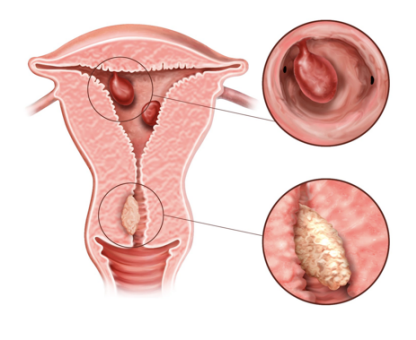
Why it's done
Polypectomy is performed for several reasons:
- Diagnostic Purposes: Removal of polyps allows for a thorough examination and analysis of the tissue. This helps in diagnosing the nature of the polyp, whether it is benign, precancerous, or cancerous.
- Preventive Measures: The removal of polyps is a proactive approach to prevent the development of cancer. Certain types of polyps, particularly in the colon, may have the potential to become cancerous over time. Removing them early reduces the risk of cancer.
- Treatment of Conditions: Polypectomy is a therapeutic intervention when polyps are causing symptoms or issues. It can alleviate symptoms such as bleeding, obstruction, or discomfort associated with the presence of polyps in various organs.
- Colorectal Cancer Prevention: In the case of colorectal polyps, removal through polypectomy is a crucial step in preventing colorectal cancer. Regular screening and polypectomy during colonoscopies can significantly reduce the risk of developing colorectal cancer.
- Pathological Examination: The removed polyps undergo pathological examination, providing valuable information about the nature of the tissue and any potential risks. This examination guides further treatment and management strategies.
Risk
Polypectomy is generally considered a safe and routine medical procedure, but like any medical intervention, it carries some inherent risks. The potential risks associated with polypectomy include:
- Bleeding
- Perforation
- Infection
- Adverse Reactions to Medications
- Incomplete Polyp Removal
- Allergic Reactions
How do I get ready for Polypectomy surgery?
Preparing for a polypectomy involves a combination of medical consultations, lifestyle adjustments, and specific pre-surgery instructions provided by your healthcare team. Here are general guidelines to help you get ready for a polypectomy:
Consultation with Healthcare Provider:
- Schedule a pre-operative consultation with your healthcare provider. Discuss your medical history, current medications, and any allergies.
- Inform your healthcare provider about any existing health conditions, especially if you have a bleeding disorder.
Follow Preoperative Instructions:
- Adhere to any specific preoperative instructions provided by your healthcare team. This may include fasting for a certain period before the procedure.
Medication Adjustments:
- Inform your healthcare provider about all the medications you are currently taking, including prescription and over-the-counter drugs.
- Follow instructions regarding any necessary adjustments to your medication regimen before the polypectomy.
Fasting:
- Follow the fasting guidelines provided by your healthcare team. Typically, patients are asked to avoid food and drink for a specified period before the procedure.
Hygiene and Skin Preparation:
- Shower or bathe before the procedure, paying attention to good hygiene. This helps reduce the risk of infection.
- Follow any specific instructions regarding the use of antibacterial soap or skin preparations provided by your healthcare team.
Arrange Transportation:
- Since you may be given sedation or anesthesia, arrange for someone to drive you home after the procedure. Avoid driving yourself.
Wear Comfortable Clothing:
- Dress in comfortable, loose-fitting clothing on the day of the procedure. This makes it easier for healthcare professionals to access the treatment area.
Communication with Healthcare Team:
- Communicate any concerns or questions you may have with your healthcare team before the procedure.
Follow Postoperative Instructions:
- Understand and follow any postoperative instructions provided by your healthcare team. This may include restrictions on activities, dietary guidelines, and medication instructions.
