

Benign Breast Diseases
Overview
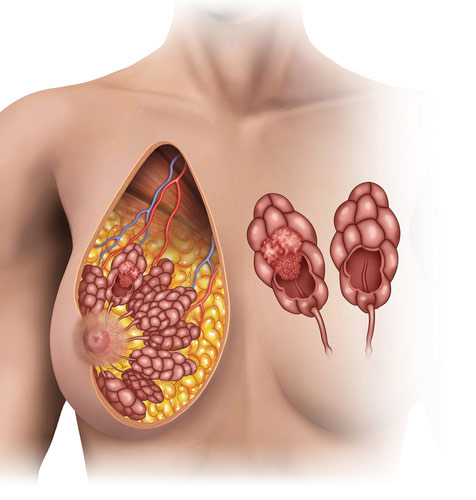
Why it's done
Differential Diagnosis: Many symptoms of benign breast diseases can mimic those of breast cancer. It is crucial for healthcare professionals to accurately diagnose and differentiate between benign and malignant conditions. Research on benign breast diseases helps improve diagnostic methods, reducing the risk of misdiagnosis and unnecessary anxiety for patients.
Prevention of Breast Cancer: Some benign breast conditions are associated with an increased risk of developing breast cancer. Understanding these associations can help identify individuals who may be at higher risk and implement preventive measures or surveillance strategies. Early detection and intervention can contribute to better outcomes.
Quality of Life: Benign breast diseases can cause discomfort, pain, or cosmetic concerns for affected individuals. Research on these conditions helps in developing effective management and treatment strategies, improving the quality of life for those affected.
Epidemiological Studies: Studying the prevalence and incidence of benign breast diseases contributes to a better understanding of the overall burden of these conditions in the population. This information is valuable for healthcare planning, resource allocation, and public health initiatives.
Treatment Advancements: Some benign breast conditions may require medical or surgical intervention. Research on treatment modalities and outcomes helps refine therapeutic approaches, ensuring that interventions are effective, safe, and lead to optimal patient outcomes.
Psychosocial Impact: Benign breast diseases can have psychological and emotional impacts on individuals. Research in this area helps identify and address the psychosocial aspects of these conditions, leading to improved patient support and mental health care.
Risk
- Increased Risk of Breast Cancer
- Fibrocystic Breast Changes
- Monitoring and Follow-up
- Breast Pain and Discomfort
- Diagnostic Challenges
- Psychological Impact
- Hormonal Influence
- Fibroadenomas
How do I get ready for Benign Breast Diseases treatment?
Consult with a Healthcare Provider:
- Schedule a consultation with your healthcare provider to discuss the specific benign breast condition you have and the recommended treatment plan. This discussion is an opportunity to ask questions, understand the risks and benefits of treatment, and clarify any concerns.
Educate Yourself:
- Learn about your specific benign breast condition, the proposed treatment, and potential side effects. Reliable sources of information include your healthcare provider, reputable medical websites, and educational materials provided by healthcare organizations.
Follow Pre-Treatment Guidelines:
- Your healthcare provider may give you specific instructions to prepare for the treatment. This could include dietary restrictions, medication adjustments, or lifestyle modifications. Follow these guidelines carefully to optimize the effectiveness of the treatment.
Arrange Support:
- Depending on the nature of the treatment and potential side effects, you may need assistance during the recovery period. Arrange for a friend or family member to help with daily activities, transportation, and emotional support.
Address Emotional Well-being:
- Dealing with a medical condition and its treatment can be emotionally challenging. Consider talking to a counselor, therapist, or support group to address any anxiety, stress, or concerns you may have. Mental well-being is an essential aspect of overall health.
Gather Information on Recovery:
- Understand what to expect during the recovery period. This includes potential side effects, limitations on activities, and the timeline for returning to normal daily life. Knowing what to expect can help you mentally prepare for the process.
Plan for Follow-up Care:
- Work with your healthcare provider to establish a plan for follow-up care and monitoring. Regular check-ups and screenings may be necessary to ensure the effectiveness of the treatment and to detect any changes or new developments.
Create a Comfortable Recovery Space:
- Prepare your home for the recovery period by creating a comfortable and relaxing environment. Have essential items within reach, such as medications, water, and comfort items. Ensure that you have a quiet and restful place to recover.
