

Incisional Hernia
Overview
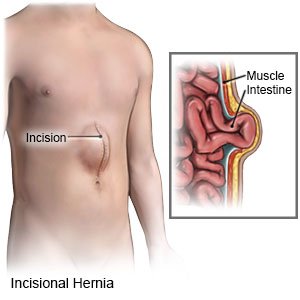
An incisional hernia occurs when a portion of the abdominal tissue protrudes through a weakened area in the abdominal wall, typically near a previous surgical incision. This condition can develop as a complication of abdominal surgery, where the healing process of the incision site is compromised, leading to the formation of a hernia.
Why it's done
Incisional Hernia Treatment may be recommended for several reasons, including:
- Incisional hernias often cause pain, discomfort, or a noticeable bulge near a previous surgical incision. Treatment aims to alleviate these symptoms and improve the patient’s quality of life.
- If the hernia becomes incarcerated (trapped), it can lead to complications such as bowel obstruction or compromised blood flow to the herniated tissues. Treatment helps prevent these serious complications.
- Surgical repair of incisional hernias involves closing the weakened area in the abdominal wall. This restores the integrity of the abdominal muscles and prevents the protrusion of abdominal contents.
- Treatment addresses the visible bulge associated with the hernia, improving the cosmetic appearance of the abdominal region.
- Surgical repair allows patients to resume normal physical activities without the limitations imposed by the hernia-related symptoms.
- Surgical repair aims to provide a permanent solution by reinforcing the weakened abdominal wall, reducing the risk of the hernia recurring.
- Repairing an incisional hernia may involve reinforcing the abdominal wall with mesh or sutures. This can help minimize the risk of developing hernias in subsequent surgeries.
- Successful treatment contributes to the resolution of symptoms, promoting the patient’s overall physical and mental well-being.
Risk
Incisional Hernia Treatment, can pose potential risks and complications. Some of these include:
- Bleeding
- Infection
- Pain or Discomfort
- Recurrence
- Nerve Damage
- Adverse Reaction to Anesthesia
- Blood Clots
- Wound Complications
- Mesh-related Complications
- Chronic Pain
How do I get ready for Incisional Hernia Treatment?
Preparing for Incisional Hernia Treatment involves several steps to ensure a smooth procedure and recovery:
- Schedule a comprehensive consultation with your healthcare provider to discuss the details of the planned incisional hernia treatment. This is an opportunity to address any questions or concerns you may have.
- Complete any necessary diagnostic tests, such as imaging studies or blood tests, as recommended by your healthcare team. These tests help assess your overall health and provide information about the hernia.
- Discuss your current medications, including prescription and over-the-counter drugs, with your healthcare team. Adjustments may be necessary, especially if certain medications can impact bleeding or anesthesia.
- Follow any fasting instructions provided by your healthcare team. Typically, you will be asked to refrain from eating or drinking for a specific period before the surgery.
- If you smoke, consider quitting or reducing smoking before the surgery. Smoking can impact the healing process and increase the risk of complications.
- Arrange for someone to drive you to and from the hospital or surgical center on the day of the surgery, as you may not be able to drive immediately after the procedure.
- Wear loose, comfortable clothing on the day of the surgery. Choose items that are easy to put on and take off.
- Bring necessary personal items, such as identification, insurance information, and any documents provided by your healthcare team.
- Follow any specific instructions for showering and skin preparation provided by your healthcare team. Proper hygiene reduces the risk of infection.
- Adhere strictly to any preoperative instructions provided by your healthcare team, including restrictions on eating, drinking, and specific guidelines for personal hygiene.
