

Laparoscopic Appendectomy
Overview
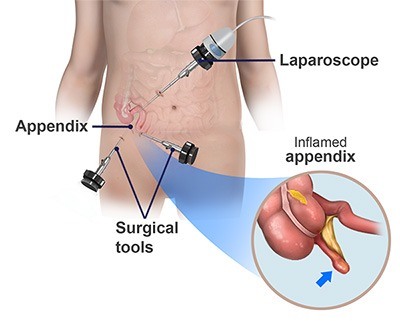
Why it's done
Minimally Invasive: Laparoscopic appendectomy involves smaller incisions compared to open surgery, resulting in less trauma to the abdominal wall and surrounding tissues.
Reduced Postoperative Pain: Patients often experience less pain after laparoscopic appendectomy compared to open surgery, leading to improved comfort during the recovery process.
Shorter Hospital Stays: The minimally invasive nature of laparoscopic appendectomy typically allows for shorter hospital stays, enabling patients to return to their normal activities sooner.
Quicker Recovery Times: Recovery from laparoscopic appendectomy is generally faster than open surgery, allowing patients to resume their daily routines with minimal delay.
Smaller Scars: The smaller incisions used in laparoscopic appendectomy result in smaller scars, which are often less noticeable and cosmetically preferable compared to the larger incision used in open surgery.
Precise Visualization: The use of a camera and specialized instruments in laparoscopic surgery provides surgeons with a clear view of the appendix and surrounding tissues, allowing for precise removal and reducing the risk of complications.
Risk
- Bleeding
- Infection
- Damage to surrounding organs
- Anesthesia complications
- Postoperative complications
- Conversion to open surgery
How do I get ready for Laparoscopic Appendectomy treatment?
Consultation: Schedule a consultation with your surgeon to discuss the procedure, ask any questions you may have, and address any concerns.
Medical history: Provide your surgeon with a comprehensive medical history, including any pre-existing medical conditions, allergies, medications you’re currently taking, and previous surgeries.
Pre-operative tests: Your surgeon may order pre-operative tests such as blood tests, urine tests, and imaging studies to assess your overall health and the condition of your appendix.
Medications: Follow your surgeon’s instructions regarding any medications you need to stop taking before the surgery, especially blood thinners or anti-inflammatory drugs that can increase the risk of bleeding.
Fasting: Typically, you’ll be instructed to refrain from eating or drinking anything for a certain period before the surgery to prevent complications related to anesthesia.
Arrange transportation: Since you’ll be under the effects of anesthesia, arrange for someone to drive you home after the procedure.
Pre-operative instructions: Your surgeon will provide you with specific pre-operative instructions, which may include bathing with a special antiseptic soap the night before or morning of the surgery and instructions on what to wear to the hospital.
Plan for recovery: Arrange for someone to assist you at home during the initial stages of recovery, as you may experience some discomfort and limitations in mobility.
Follow-up appointments: Schedule any necessary follow-up appointments with your surgeon to monitor your recovery progress and address any concerns.
