

Hysterolaparoscopy
Overview
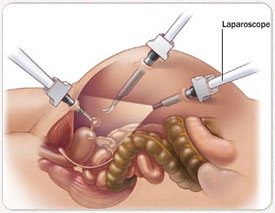
Hysterolaparoscopy is a specialized procedure offered at Indotaj Medical Center in Tajikistan, designed to provide comprehensive diagnostic and therapeutic solutions for various gynecological conditions. This minimally invasive technique combines hysteroscopy and laparoscopy to examine and treat issues related to the uterus and pelvic region.
The expertise and state-of-the-art facilities at Indotaj Medical Center ensure a patient-centered approach, providing women with a comprehensive understanding of their gynecological health. Whether for diagnostic purposes or as part of a treatment plan, hysterolaparoscopy at Indotaj combines precision and innovation to promote optimal women’s health outcomes.
Why it's done
- Hysterolaparoscopy is often used to investigate the causes of infertility. It allows for a comprehensive assessment of the uterus, fallopian tubes, and pelvic structures to identify any anatomical abnormalities or blockages.
- The procedure is utilized to diagnose and treat the underlying causes of abnormal uterine bleeding, including conditions such as polyps, fibroids, or abnormalities in the uterine cavity.
- Hysterolaparoscopy helps in the evaluation of pelvic pain. It allows for the visualization of pelvic organs, helping to identify conditions such as endometriosis, ovarian cysts, or adhesions that may be contributing to pain.
- The procedure is employed to diagnose and treat uterine fibroids or polyps. Surgeons can use laparoscopic instruments to remove or treat these growths, potentially improving symptoms such as heavy menstrual bleeding or pelvic pain.
- Hysterolaparoscopy is valuable in the diagnosis and treatment of endometriosis. It allows surgeons to visualize and excise endometrial tissue outside the uterus, relieving symptoms and potentially improving fertility.
- Hysterolaparoscopy is used to assess the patency of the fallopian tubes. This is crucial for women facing fertility issues, as blocked tubes can hinder the fertilization process.
- Adhesions, or scar tissue, within the pelvic cavity can be visualized and removed during hysterolaparoscopy. This can improve fertility and alleviate pelvic pain.
Risk
- Bleeding
- Infection
- Organ Injury
- Reaction to Anesthesia
- Pneumonia
- Allergic Reactions
- Failure to Diagnose or Treat
- Postoperative Pain
- Gas-Related Shoulder Pain
How do I get ready for Hysterolaparoscopy treatment?
- Your healthcare team will conduct a thorough assessment of your overall health, including tests like blood work, imaging scans, and an electrocardiogram (ECG/EKG).
Your doctor may ask you to stop or adjust certain medications before the surgery. It’s crucial to follow their instructions regarding which medications to continue or discontinue.
You’ll have discussions with your surgeon and medical team to understand the procedure, potential risks, and expected outcomes. Ask any questions you have to alleviate concerns and gain a better understanding of what to expect.
Your healthcare provider might recommend certain lifestyle modifications such as dietary changes, exercise routines, and smoking cessation to improve your overall health and aid in recovery.
Before the surgery, you may need to make arrangements at home for post-surgery care, such as assistance from family or friends, and preparing a comfortable recovery space.
You’ll likely receive instructions on fasting prior to the surgery. It’s essential to adhere to these guidelines to prevent complications during the procedure.
Preparing mentally and emotionally for the surgery is crucial. Engage in relaxation techniques, seek support from loved ones, or consider talking to a counselor if needed.
Attend all pre-operative appointments and follow-up consultations as scheduled by your healthcare provider.
