

Ectopic pregnancy
Overview
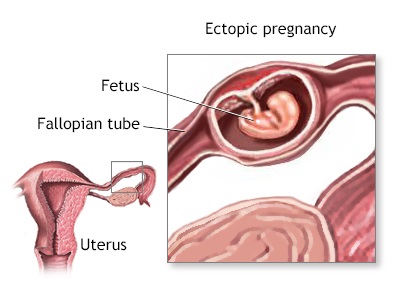
At Indotaj Medical Center in Tajikistan, an ectopic pregnancy refers to a pregnancy occurring outside the uterus, where a fertilized egg implants in a location unable to support its growth. This commonly happens in the fallopian tube, which connects the ovaries and uterus. Although more rare, ectopic pregnancies can also occur in the ovary, abdominal cavity, or cervix. It is essential to note that pregnancies cannot progress normally if they are ectopic, as only the uterus is designed to support pregnancy.
At Indotaj Medical Center, we recognize that ectopic pregnancies pose serious risks, particularly when the fallopian tube ruptures. A ruptured ectopic pregnancy can lead to severe bleeding, infection, and, in extreme cases, death. This constitutes a medical emergency, requiring prompt intervention by healthcare providers to ensure the safety and well-being of the patient. Our dedicated medical team is trained to swiftly and effectively address ectopic pregnancies, prioritizing the urgent care needed in such critical situations.
Why it's done
- Most ectopic pregnancies occur in the fallopian tube. Conditions that affect the structure or function of the fallopian tubes, such as scarring from previous infections, surgeries, or conditions like pelvic inflammatory disease (PID), can increase the risk of ectopic pregnancies.
- Women who have undergone tubal ligation (surgical sterilization) or other tubal surgeries may have an increased risk of ectopic pregnancies if the surgery alters the normal anatomy of the fallopian tubes.
- Infections in the reproductive organs, particularly PID, can cause scarring and damage to the fallopian tubes, making it more likely for the fertilized egg to get stuck or implant outside the uterus.
- Endometriosis, a condition where the tissue lining the uterus grows outside the uterus, can affect the function and structure of the fallopian tubes, increasing the risk of ectopic pregnancies.
- Although rare, pregnancies that occur with an intrauterine device (IUD) in place are more likely to be ectopic. The presence of the IUD may interfere with the normal passage of the fertilized egg to the uterus.
- Rarely, congenital abnormalities or developmental issues in the reproductive organs may contribute to ectopic pregnancies.
- Hormonal factors that affect the movement of the fertilized egg through the fallopian tube may contribute to ectopic pregnancies.
Risk
- Rupture of the Fallopian Tube
- Internal Bleeding
- Severe Abdominal Pain
- Dizziness and Fainting
- Pelvic Infection
- Scar Tissue Formation
- Emotional Impact
How do I get ready for Ectopic pregnancy treatment?
- Ectopic pregnancies require urgent medical attention. If you are experiencing symptoms such as severe abdominal pain, vaginal bleeding, dizziness, or fainting, seek emergency medical care immediately.
- Inform your healthcare provider about your symptoms and concerns as soon as possible. They will guide you on the next steps and coordinate necessary care.
- Adhere to the medical advice provided by your healthcare team. This may include instructions on rest, activity restrictions, and medication use.
- If surgery is recommended, prepare for the procedure by following any preoperative instructions provided by your healthcare provider. This may include fasting before surgery and arranging for transportation.
