

Episiotomy Suturing
Overview
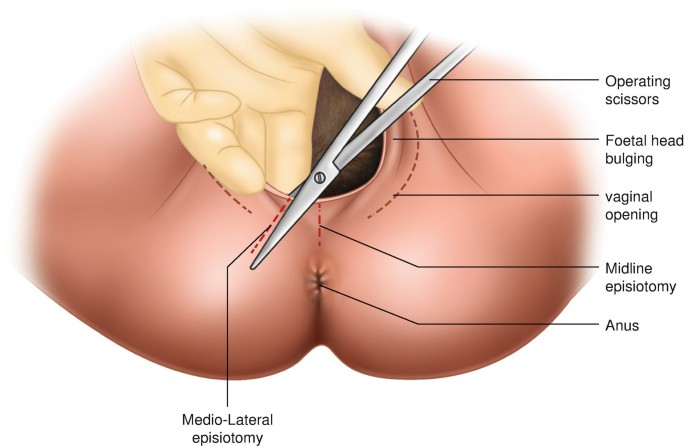
Episiotomy suturing at Indotaj Medical Center in Tajikistan is performed with the utmost precision and care to promote optimal healing and recovery for our patients. An episiotomy is a surgical incision made in the perineum, the area between the vaginal opening and the anus, during childbirth to facilitate a smoother delivery.
Our skilled and experienced medical team at Indotaj Medical Center follows evidence-based practices in episiotomy suturing, employing advanced techniques to close the incision meticulously. The primary goal is to promote proper wound healing, minimize discomfort, and reduce the risk of complications
Why it's done
Episiotomy Suturing treatment may be recommended for several reasons, including:
- Episiotomy is sometimes performed to facilitate a smoother and controlled delivery, especially in situations where there is concern about potential complications or when a quick delivery is needed for the well-being of the baby.
- In certain cases, an episiotomy may be preferred over the risk of uncontrolled tearing of the perineum during childbirth. Controlled incisions can be sutured more precisely than irregular tears.
- Episiotomy is intended to reduce the overall trauma to the perineal tissues during childbirth. Controlled incisions may lead to more predictable and manageable wounds.
- In situations where labor is prolonged, and there is a risk of fetal distress, an episiotomy may be performed to expedite the delivery process.
- During instrumental deliveries, such as forceps or vacuum-assisted deliveries, an episiotomy may be performed to create additional space for the instruments and reduce the risk of perineal tearing.
- In some cases, an episiotomy is considered to protect the pelvic floor muscles, especially if there is concern about severe tearing that could affect muscle integrity.
Risk
Episiotomy Suturing treatment, can pose potential risks and complications. Some of these include:
- Poor Wound Healing
- Infection
- Pain and Discomfort
- Hematoma Formation
- Tearing Extension
- Dyspareunia (Painful Intercourse)
- Nerve Damage
- Allergic Reaction to Suture Material
- Inadequate Healing of Rectal Sphincter
- Psychological Impact
How do I get ready for Episiotomy Suturing treatment?
Preparing for Episiotomy Suturing treatment involves several steps to ensure a smooth procedure and recovery:
- Discuss the possibility of episiotomy and the suturing procedure with your healthcare provider during prenatal visits. Ask questions about the procedure and express any concerns you may have.
- If you have specific preferences regarding episiotomy or suturing, discuss them with your healthcare provider and include them in your birth plan, if applicable.
- Familiarize yourself with information about episiotomy, its potential reasons, and the suturing process. Educational resources provided by healthcare providers or reputable sources can be helpful.
- Maintain open communication with your healthcare team during labor. Discuss the progress of labor, your preferences, and any concerns you may have.
