

Hysterectomy
Overview
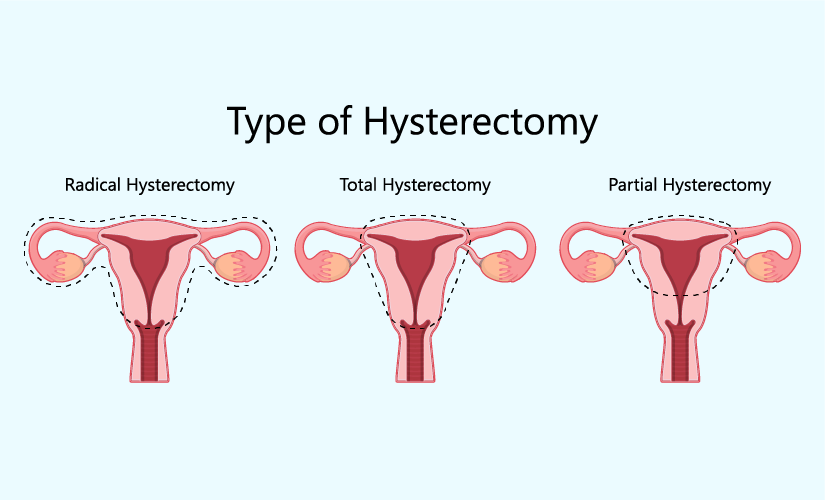
At Indotaj Medical Center in Tajikistan, a hysterectomy, a surgical procedure, involves the removal of the uterus, and in many cases, the cervix. Depending on the underlying medical reasons for the surgery, the procedure may extend to include the removal of adjacent organs and tissues, such as the fallopian tubes and ovaries. The uterus is the organ where fetal development occurs during pregnancy, and its lining is responsible for menstrual bleeding.
Performed at Indotaj Medical Center, a hysterectomy results in the cessation of menstruation, and the patient is no longer able to conceive. The decision to undergo a hysterectomy is made in consultation with our expert medical team, considering individual health needs and the specific medical conditions warranting the procedure. Our comprehensive care approach ensures patients receive the necessary support and information throughout the process.
Why it's done
- Hysterectomy may be recommended when there is a diagnosis of uterine cancer. Removing the uterus is a common treatment approach to eliminate cancerous cells and prevent the spread of the disease.
- Large or symptomatic uterine fibroids that cause pain, heavy menstrual bleeding, or other complications may be treated with a hysterectomy. In some cases, less invasive treatments may be considered first.
- Severe endometriosis, a condition where the tissue lining the uterus grows outside the uterus, may be treated with a hysterectomy when other treatments have not been successful.
- Uterine prolapse, where the uterus descends into the vaginal canal, may be addressed with a hysterectomy, particularly if other treatments haven’t been effective.
- Chronic pelvic pain that is attributed to the uterus and hasn’t responded to other treatments may be a reason for a hysterectomy.
- Persistent and uncontrollable abnormal uterine bleeding that doesn’t respond to conservative treatments may be a reason for a hysterectomy.
- Adenomyosis, a condition where the tissue lining the uterus grows into the muscular wall, causing pain and heavy bleeding, may be treated with a hysterectomy.
Risk
- Blood clots.
- Severe infection.
- Bleeding.
- Bowel blockage.
- Torn internal stitches.
- Urinary tract injury.
- Issues related to anesthesia.
How do I get ready for Hysterectomy treatment?
- Schedule thorough consultations with your gynecologist or surgeon to discuss the reasons for the hysterectomy, potential risks, and expected outcomes.
- Your healthcare provider may order preoperative tests, such as blood tests, imaging, or other diagnostic procedures to assess your overall health.
- Inform your healthcare provider about all medications you are taking, including prescription drugs, over-the-counter medications, and supplements. Follow their guidance on medication management before the surgery.
- Follow any fasting guidelines provided by your healthcare provider. This often involves refraining from eating or drinking for a specific period before the surgery.
- If you smoke, consider quitting before the surgery. Smoking can impair healing and increase the risk of complications.
- Engage in a healthy lifestyle, including regular exercise and a balanced diet, to optimize your overall health before the surgery.
- As you may be advised not to drive immediately after the surgery, arrange for someone to drive you home.
- Pack a small bag with essentials, including comfortable clothing, personal hygiene items, and any necessary documents.
