

Hysteroscopy
Overview
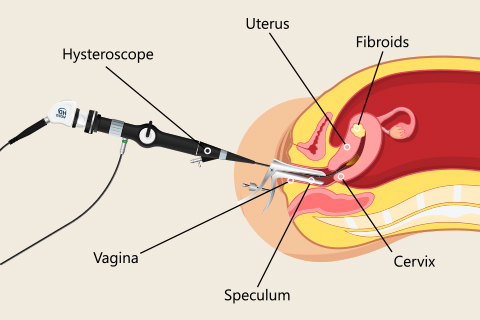
Hysteroscopy plays a crucial role at Indotaj Medical Center in Tajikistan, where it is primarily employed for both diagnostic and therapeutic purposes in addressing abnormal uterine bleeding. This procedure enables skilled surgeons to visually inspect the interior of the uterus using a specialized instrument known as a hysteroscope. The hysteroscope, a slender and illuminated tube, is carefully inserted through the vaginal canal to examine both the cervix and the inner lining of the uterus.
At Indotaj Medical Center, hysteroscopy serves as an integral component of the medical evaluation process and, when necessary, transitions seamlessly into a treatment modality. This versatile approach allows for a comprehensive understanding of the factors contributing to abnormal uterine bleeding and facilitates the implementation of therapeutic interventions as part of a cohesive medical strategy.
Why it's done
- Hysteroscopy is often used to investigate the causes of abnormal uterine bleeding, such as irregular periods, heavy menstrual bleeding, or bleeding between periods.
- For women who have experienced recurrent miscarriages, hysteroscopy can be employed to assess the uterine cavity for any abnormalities or structural issues that may contribute to pregnancy loss.
- In cases of unexplained infertility, hysteroscopy can be part of the fertility evaluation process. It helps identify and address potential issues within the uterine cavity that might affect implantation or embryo development.
- Hysteroscopy allows for the visualization and removal of uterine polyps or fibroids, which can contribute to abnormal bleeding or fertility issues.
- Hysteroscopy is used to examine the shape and structure of the uterus. Uterine abnormalities, such as septum or adhesions (synechiae), can be identified and, in some cases, corrected during the procedure.
- Hysteroscopy helps in diagnosing conditions affecting the endometrial lining, such as endometrial hyperplasia or cancer. Biopsies can be taken during the procedure for further evaluation.
- In rare cases, hysteroscopy may be performed to remove foreign objects from the uterus, such as intrauterine devices (IUDs) that have become embedded.
Risk
- Infection.
- Heavy bleeding.
- Intrauterine scarring.
- Reaction to the anesthesia.
- Injury to your cervix, uterus, bowel or bladder.
- Reaction to the substance used to expand your uterus.
How do I get ready for Hysteroscopy treatment?
- Schedule a thorough consultation with your healthcare provider to discuss the reasons for the hysteroscopy, potential risks, and expected benefits.
- Your healthcare provider may order preoperative tests, such as blood tests or imaging, to ensure you are in good health for the procedure.
- Inform your healthcare provider about any medications you are currently taking, including prescription drugs, over-the-counter medications, and supplements. They will advise you on whether to continue or temporarily stop any specific medications.
- Your healthcare provider may schedule the hysteroscopy at a specific point in your menstrual cycle. It’s essential to inform them if you are pregnant or suspect you might be pregnant.
- Follow any fasting guidelines provided by your healthcare provider. This may involve refraining from eating or drinking for a certain period before the procedure.
- Since you may receive sedation or anesthesia during the procedure, it’s advisable to arrange for someone to drive you home afterward.
- Pack a small bag with essentials, including comfortable clothing, personal hygiene items, and any necessary documents.
