

Tuboplasty
Overview
Tuboplasty is a specialized surgical procedure offered at Indotaj Medical Center to address conditions affecting the fallopian tubes. This procedure is designed to treat various tubal abnormalities, including blockages or damage that may hinder natural conception. Our experienced team of reproductive healthcare professionals is dedicated to providing comprehensive and individualized care to patients seeking fertility treatment.
At Indotaj Medical Center, Tuboplasty is performed with a commitment to excellence, combining advanced medical technologies with personalized care to address the unique needs of each patient.
Why it's done
Tuboplasty may be recommended for several reasons, including:
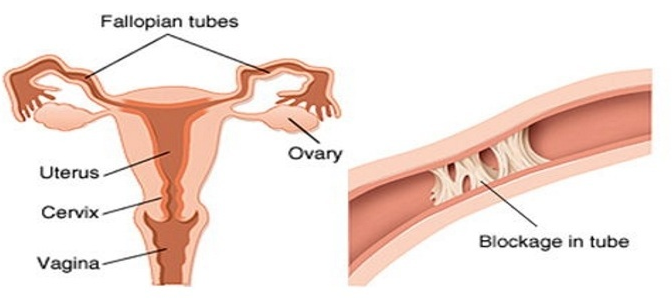
- One of the primary indications for Tuboplasty is the presence of blockages in the fallopian tubes. Blockages can be caused by various factors, including inflammation, infections, or scarring. The procedure aims to correct these blockages and restore the normal patency of the fallopian tubes.
- Tuboplasty is often recommended when infertility is attributed to tubal factors. This can include partial or complete blockages that hinder the passage of eggs from the ovaries to the uterus or impede the transport of sperm to meet the egg.
- Hydrosalpinx is a condition where the fallopian tube becomes filled with fluid, often as a result of a blockage. Tuboplasty may be performed to address this issue and improve the chances of successful conception.
- In cases where a woman has undergone tubal ligation (surgical sterilization) in the past and wishes to reverse the procedure to restore fertility, Tuboplasty may be considered. This is often referred to as tubal ligation reversal.
- Tuboplasty may be part of fertility preservation strategies for individuals with tubal factors contributing to infertility. Preserving the functionality of the fallopian tubes can enhance the chances of natural conception.
- In some cases, Tuboplasty may be performed after an ectopic pregnancy (a pregnancy outside the uterus), particularly if the fallopian tube has been damaged. The procedure aims to repair or reconstruct the affected tube.
- Tuboplasty can also serve a diagnostic purpose. During the procedure, the healthcare team may evaluate the condition of the fallopian tubes, confirming or ruling out specific issues that may contribute to infertility.
- For some individuals experiencing recurrent miscarriages, Tuboplasty may be considered to assess and address any tubal factors that could be contributing to pregnancy loss.
Risk
Tuboplasty, can pose potential risks and complications. Some of these include:
- Bleeding
- Infection
- Anesthesia Risks
- Failure to Restore Tubal Patency
- Tubal Injury or Perforation
- Ectopic Pregnancy
- Adhesions and Scarring
- Recurrence of Tubal Issues
- Postoperative Pain
- Allergic Reactions
- Blood Clot Formation
- Change in Menstrual Patterns
How do I get ready for Tuboplasty treatment?
Preparing for Tuboplasty treatment involves several steps to ensure a smooth procedure and recovery:
- Schedule a comprehensive consultation with your reproductive specialist or fertility doctor. Discuss your medical history, fertility concerns, and the reasons for recommending Tuboplasty.
- Undergo any necessary diagnostic tests, such as hysterosalpingography (HSG) or laparoscopy, to assess the condition of your fallopian tubes and confirm the need for Tuboplasty.
- Have a detailed discussion with your healthcare team about the Tuboplasty procedure, including the goals, potential benefits, and associated risks. Ensure that all your questions are addressed.
- If needed, consider seeking a second opinion from another reproductive specialist to validate the diagnosis and treatment plan.
