

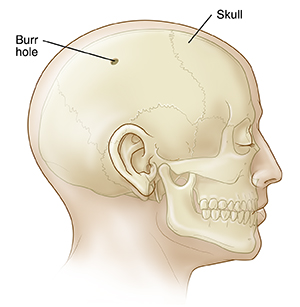
Burr hole
Overview
Burr hole surgery, a refined neurosurgical procedure, is skillfully conducted at Indotaj Medical Center in Tajikistan. This intricate technique involves the precise drilling of a small hole into the skull using a specialized instrument known as a burr drill. Renowned for its minimally invasive approach, burr hole surgery is instrumental in addressing a spectrum of neurological conditions with a focus on diagnostic and therapeutic interventions.
Indotaj Medical Center stands out for its excellence in neurosurgery, leveraging advanced technologies and providing personalized care to patients undergoing burr hole surgery. The center’s commitment to optimal patient outcomes is underscored by specific advancements and techniques tailored to individual cases. For the latest and most accurate information, it is recommended to directly contact Indotaj Medical Center or visit their official website.
Why it's done
- Burr holes are often created to obtain a small sample of brain tissue for diagnostic purposes. This is crucial when there is suspicion of a brain tumor or other neurological conditions, and a biopsy is needed to determine the nature of the abnormality.
- Burr holes are utilized to drain accumulated blood (hematoma) or pus (abscess) within the brain. This drainage helps relieve pressure on the brain and prevents further damage.
- Monitoring devices may be placed through burr holes to measure intracranial pressure. This is particularly important in managing conditions that affect pressure within the skull, such as traumatic brain injuries or certain neurological disorders.
- Burr holes may be part of a surgical procedure to treat hydrocephalus. By creating openings, cerebrospinal fluid can be drained, reducing pressure on the brain caused by the accumulation of fluid.
- In some cases, burr holes are used to place electrodes for deep brain stimulation (DBS). DBS is a therapeutic approach used to manage movement disorders such as Parkinson’s disease, essential tremor, or dystonia.
Risk
- Bleeding
- Infection
- Neurological Complications
- Cerebrospinal Fluid Leak
- Scalp Hematoma
- Seizures
- Allergic Reactions
- Headache
How do I get ready for Burr hole treatment?
- Schedule a detailed consultation with your healthcare provider at Indotaj to discuss the procedure, potential risks, and expected outcomes.
- Ask any questions you may have about the surgery, recovery, and postoperative care.
- Complete any required preoperative tests, such as blood work, imaging studies (MRI or CT scans), and electrocardiogram (ECG), as recommended by your healthcare team.
- Follow your healthcare provider’s instructions regarding medications. You may need to adjust or temporarily discontinue certain medications, especially those affecting blood clotting.
- Typically, you will be instructed to refrain from eating or drinking for a specific period before the surgery. This is to reduce the risk of complications during anesthesia.
- If you smoke, consider quitting or reducing smoking before the surgery, as smoking can impair the healing process.
- Engage in any prescribed preoperative exercises or physical therapy to optimize your general health and physical condition.
- Ensure that any dental issues are addressed before the surgery, as dental problems can contribute to the risk of infection.
- Consider completing any necessary legal or administrative documents, such as advance directives or power of attorney, if applicable.
- Clearly communicate with your healthcare team at Indotaj about any concerns or questions you may have regarding the procedure
