

Cervical Discectomy
Overview
Cervical discectomy at Indotaj Medical Center in Tajikistan is a specialized surgical procedure aimed at addressing conditions affecting the cervical spine, providing comprehensive care for patients experiencing neck-related issues.
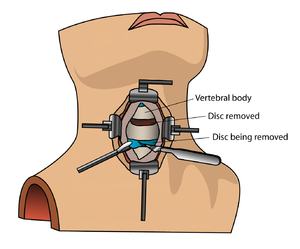
Cervical discectomy at Indotaj Medical Center is a highly advanced surgical intervention crafted to manage cervical spine conditions by selectively removing a portion of an intervertebral disc. The cervical spine, comprising seven vertebrae labeled C1 to C7, relies on these discs for cushioning and flexibility. Indotaj Medical Center’s commitment to cutting-edge care makes cervical discectomy a recommended solution for a range of conditions
Why it's done
Cervical Discectomy treatment may be recommended for several reasons, including:
- When a disc in the cervical spine bulges or herniates, it can compress nearby nerves, leading to pain, numbness, and weakness. Cervical discectomy is done to remove the herniated or damaged portion of the disc, alleviating pressure on the spinal nerves.
- Age-related wear and tear on the cervical discs can result in pain and reduced mobility. Cervical discectomy may be performed to address the effects of degenerative disc disease, restore comfort, and improve mobility.
- Cervical spinal stenosis involves the narrowing of the spinal canal in the neck, which can put pressure on the spinal cord and nerves. Discectomy is done to reduce this pressure and alleviate symptoms such as neck and arm pain.
- Conditions causing irritation or inflammation of nerve roots in the cervical spine may be treated with discectomy. By removing the affected disc material, the surgeon aims to relieve nerve compression and associated symptoms.
- Disc protrusion or bulging without a complete herniation can also lead to nerve compression. Cervical discectomy is performed to alleviate pressure on the nerves, reducing symptoms such as pain, tingling, or weakness.
- Narrowing of the neural foramen (the openings through which nerves exit the spine) can lead to foraminal stenosis. Cervical discectomy may be done to widen the foramen and relieve nerve compression.
- When conservative treatments such as medication, physical therapy, and other non-surgical interventions fail to provide sufficient relief, cervical discectomy may be considered as a more definitive solution.
- Traumatic injuries to the cervical spine, such as fractures or dislocations involving the intervertebral discs, may necessitate discectomy to stabilize the spine and address associated nerve compression.
Risk
Cervical Discectomy treatment, can pose potential risks and complications. Some of these include:
- Bleeding
- Infection
- Nerve Damage
- Dural Tear
- Incomplete Relief of Symptoms
- Scar Tissue Formation
- Anesthesia Risks
- Adjacent Segment Degeneration
- Persistent Neck Pain
How do I get ready for Cervical Discectomy treatment?
Cervical Discectomy treatment involves several steps to ensure a smooth procedure and recovery:
- Schedule a detailed consultation with your neurosurgeon or orthopedic spine surgeon to discuss the procedure, potential risks, and expected outcomes.
- Provide a comprehensive medical history, including pre-existing conditions, medications, allergies, and any previous surgeries.
- Complete any required preoperative tests, such as blood work, imaging studies (MRI, CT scans), and electrocardiogram (ECG) to assess your overall health and identify any potential issues.
- Follow your healthcare provider’s instructions regarding medications. This may include adjustments or temporary discontinuation of certain medications, especially those affecting blood clotting.
- Typically, you will be instructed to refrain from eating or drinking for a specific period before the surgery to reduce the risk of complications during anesthesia.
- If you smoke, consider quitting or reducing smoking before the surgery, as smoking can impair the healing process.
- Engage in any prescribed preoperative exercises or physical therapy to optimize your general health and physical condition.
- Ensure that any dental issues are addressed before the surgery, as dental problems can contribute to the risk of infection.
- Clearly communicate with your healthcare team about any concerns or questions you may have regarding the procedure.
- Consider completing any necessary legal or administrative documents, such as advance directives or power of attorney, if applicable.
