

Craniotomy - EDH
Overview
A craniotomy at Indotaj Medical Center in Tajikistan involves a surgical procedure characterized by the temporary removal of a section of the skull (cranium) to address various brain disorders. Performed by skilled neurosurgeons, this procedure serves both diagnostic and therapeutic purposes, catering to a range of conditions.
Patients considering a craniotomy at Indotaj Medical Center can expect high-quality, specialized care tailored to their unique medical needs, with a focus on achieving optimal outcomes while minimizing risks.
Why it's done
Craniotomy – EDH treatment may be recommended for several reasons, including:
- Removal of brain tumors, whether malignant or benign, is a common indication for craniotomy. The procedure aims to extract as much tumor tissue as possible while minimizing damage to healthy brain tissue.
- Treatment of cerebral aneurysms involves placing a metal clip around the neck of the aneurysm to prevent rupture and potential hemorrhage. A craniotomy provides access to the aneurysm for the clipping procedure.
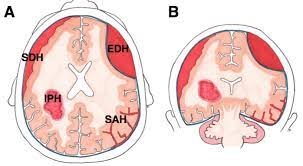
- In cases of traumatic brain injury or spontaneous bleeding (hematoma) within the brain, a craniotomy may be performed to remove the blood clot, relieving pressure on the brain.
- For diagnostic purposes, a craniotomy may be done to obtain a sample of brain tissue. This helps in identifying the nature of abnormal growths or lesions in the brain.
- Abnormalities in blood vessels, such as arteriovenous malformations (AVMs), may be treated through a craniotomy to correct the vascular issue and prevent complications.
- In some cases of medically refractory epilepsy, where seizures are not controlled with medication, a craniotomy may be performed to remove the specific area of the brain responsible for triggering seizures.
- Severe head injuries resulting in fractures or intracranial bleeding may require a craniotomy to address the trauma and reduce the risk of further complications.
- If an infection in the brain leads to the formation of an abscess, a craniotomy may be performed to drain the pus and treat the infection.
- Some non-tumor cysts or lesions in the brain may necessitate surgical removal through a craniotomy.
Risk
Craniotomy – EDH treatment, can pose potential risks and complications. Some of these include:
- Bleeding
- Infection
- Cerebrospinal Fluid Leak
- Neurological Deficits
- Seizures
- Blood Clots
- Brain Swelling
- Stroke
- Reaction to Anesthesia
- Scarring and Cosmetic Concerns
How do I get ready for Craniotomy - EDH treatment?
Craniotomy – EDH treatment involves several steps to ensure a smooth procedure and recovery:
- Schedule a detailed consultation with your neurosurgeon to discuss the procedure, potential risks, and expected outcomes.
- Provide a comprehensive medical history, including pre-existing conditions, medications, allergies, and any previous surgeries.
- Complete any required preoperative tests, such as blood work, imaging studies, and electrocardiogram (ECG), to assess your overall health.
- Follow your healthcare provider’s instructions regarding medications. This may include adjustments or temporary discontinuation of certain medications, especially those affecting blood clotting.
- Typically, you will be instructed to refrain from eating or drinking for a specific period before the surgery to reduce the risk of complications during anesthesia.
- If you smoke, consider quitting or reducing smoking before the surgery, as smoking can impair the healing process.
- Engage in any prescribed preoperative exercises or physical therapy to optimize your general health and physical condition.
- Ensure that any dental issues are addressed before the surgery, as dental problems can contribute to the risk of infection.
- Clearly communicate with your healthcare team about any concerns or questions you may have regarding the procedure.
- Consider completing any necessary legal or administrative documents, such as advance directives or power of attorney, if applicable.
