

Larygenctomy
Overview
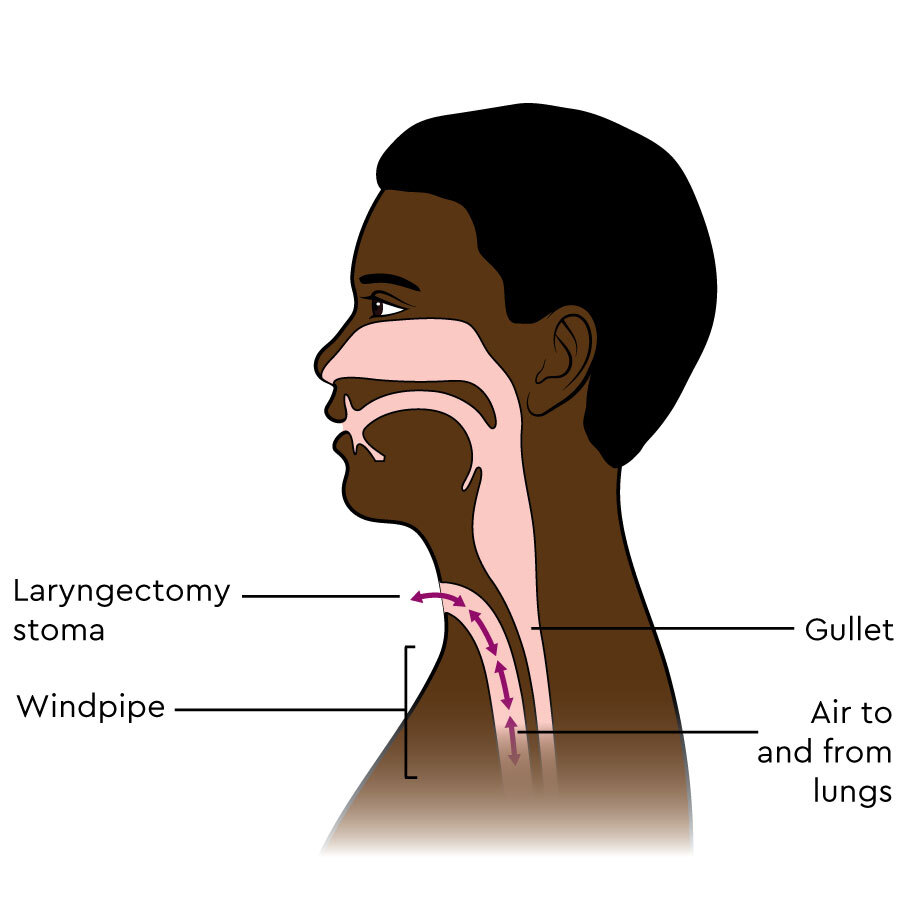
Indotaj Medical Center is dedicated to providing comprehensive care for individuals facing conditions that may require advanced surgical interventions, such as a Laryngectomy. This procedure involves the partial or complete removal of the larynx (voice box) and is typically performed to address conditions such as laryngeal cancer or severe damage to the larynx.
At Indotaj Medical Center, our commitment extends beyond medical interventions to ensure holistic care, emphasizing physical, emotional, and functional well-being. Our team of specialists collaborates to tailor treatment plans that prioritize each patient’s unique needs, fostering a compassionate and supportive healthcare environment.
Why it's done
Larygenctomy may be recommended for several reasons, including:
- Laryngectomy is often performed as a primary treatment for cancer that originates in the larynx (laryngeal cancer). Removing the affected laryngeal tissue is a key strategy in treating localized cancer and preventing its spread.
- Severe trauma to the larynx, often resulting from accidents, injuries, or other forms of trauma, may necessitate laryngectomy if the damage is extensive and cannot be adequately repaired.
- Chronic infections or inflammatory conditions affecting the larynx that do not respond to conservative treatments may lead to persistent symptoms and complications, prompting the need for laryngectomy.
- Narrowing of the laryngeal airway, known as laryngeal stenosis, can occur due to scarring or other factors. In cases where the narrowing is severe and affects breathing or voice production, laryngectomy may be considered.
- In some cases, laryngectomy may be recommended if previous treatments, such as radiation therapy or partial laryngeal surgery, have been unsuccessful in controlling the underlying condition.
- Severe and recurrent cases of laryngeal papillomatosis, a condition characterized by the growth of benign tumors in the larynx, may require laryngectomy if other treatments are ineffective.
- If there are extensive pre-cancerous lesions or severe dysplasia within the larynx that pose a high risk of developing into cancer, laryngectomy may be considered as a preventive measure.
Risk
Larygenctomy can pose potential risks and complications. Some of these include:
- Bleeding
- Infection
- Anesthetic Risks
- Wound Healing Issues
- Pneumonia
- Voice Changes
- Swallowing Difficulties
- Changes in Smell and Taste
- Psychosocial Impact
- Functional Changes
- Risk of Aspiration
- Blood Clot Formation
How do I get ready for Larygenctomy treatment?
Preparing for Larygenctomy treatment involves several steps to ensure a smooth procedure and recovery:
- Schedule a comprehensive consultation with your healthcare team, including the surgeon, speech therapist, and other specialists involved in your care. Discuss the details of the laryngectomy procedure, its purpose, potential risks, and expected outcomes.
- Request educational materials or resources from your healthcare team that explain the laryngectomy procedure, potential changes in communication, and postoperative care.
- Consider seeking a second opinion to ensure a thorough understanding of your condition and treatment options.
- Be prepared to make adjustments to your lifestyle, including changes in diet and communication methods.
- Establish a strong support system with friends, family, or support groups. Emotional support can be crucial during the preparation and recovery phases.
- Wear loose, comfortable clothing on the day of the surgery, taking into account any dressings or bandages that may be applied after the procedure.
- If you are already using a communication board or device, have it accessible for use postoperatively.
- Arrange for a support person to accompany you on the day of surgery and help with postoperative care.
