

Esophageal Cancer
Overview
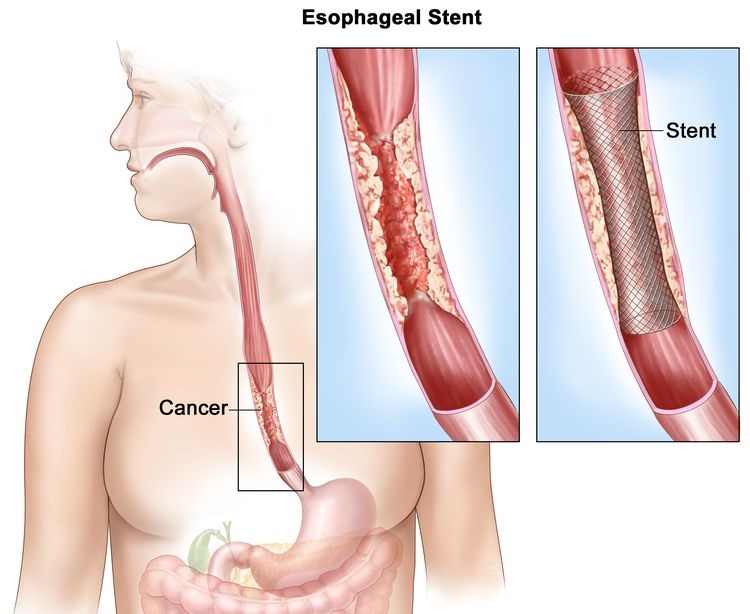
At Indotaj Medical Center, we recognize the significant impact of esophageal cancer on individuals and are committed to providing comprehensive care and innovative treatments. Ranked as the 10th most common cancer globally, esophageal cancer originates in the tissues of the esophagus—a vital muscular tube responsible for transporting food from the throat to the stomach.
Esophageal cancer poses unique challenges, and our dedicated team at Indotaj Medical Center is poised to navigate these challenges with expertise and compassion. We remain at the forefront of advancements in medical science, striving to offer the best possible care to individuals affected by esophageal cancer, ultimately aiming for improved longevity and enhanced quality of life.
Why it's done
- Surgical intervention is often used to remove cancerous tumors in the esophagus. Surgery may be considered for early-stage cancers or localized tumors to eliminate the cancerous cells and prevent further spread.
- Treatment aims to alleviate symptoms associated with esophageal cancer, such as difficulty swallowing, pain, and weight loss. Palliative interventions may be employed to improve the individual’s quality of life.
- Radiation therapy is used to target and destroy cancer cells in a specific area. This helps in achieving local control of the cancer and preventing its further growth.
- In cases where the cancer has advanced or spread to other parts of the body, systemic treatments like chemotherapy and immunotherapy are used. These treatments target cancer cells throughout the body to control the disease.
- Adjuvant therapies, such as additional rounds of chemotherapy or radiation, may be recommended after surgery to reduce the risk of cancer recurrence.
- Treatment is aimed at improving survival rates by controlling the progression of the cancer. Early detection and aggressive treatment may contribute to better outcomes.
- Palliative care measures, including pain management and supportive therapies, are implemented to maintain the individual’s quality of life. This is particularly important in cases where a cure may not be achievable.
Risk
- Having gastroesophageal reflux disease (GERD)
- Smoking
- Having precancerous changes in the cells of the esophagus (Barrett’s esophagus)
- Being obese
- Drinking alcohol
- Having bile reflux
- Having difficulty swallowing because of an esophageal sphincter that won’t relax (achalasia)
- Having a steady habit of drinking very hot liquids
- Not eating enough fruits and vegetables
- Undergoing radiation treatment to the chest or upper abdomen
How do I get ready for Esophageal Cancer treatment?
- Schedule thorough consultations with your healthcare team, including oncologists, surgeons, and other specialists. Discuss the details of the treatment plan, potential side effects, and expected outcomes.
- Request educational materials or resources that explain the specific type of esophageal cancer you have, the recommended treatment options, and potential side effects. Being well-informed can help you make informed decisions.
- Consider seeking a second opinion to ensure you have explored all available treatment options and have a comprehensive understanding of your diagnosis.
- Establish a strong support system with friends, family, or support groups. Having emotional support is essential throughout the treatment process.
- Consider discussing legal and financial matters, such as advance directives and medical power of attorney, with your loved ones. Financial planning may also include understanding insurance coverage and potential costs associated with treatment.
- Undergo a dental evaluation before starting treatment, as certain cancer treatments may affect oral health. Addressing dental issues beforehand can help prevent complications.
- Consult with a nutritionist to ensure you are in the best possible nutritional state before starting treatment. Maintaining proper nutrition can support your overall health during treatment.
