

Modified Radical Mastectomy (MRM)
Overview
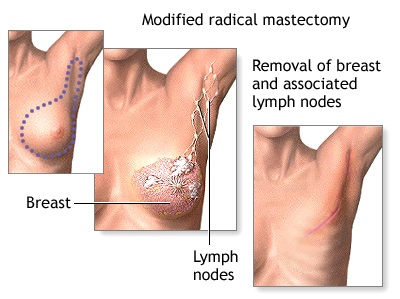
Indotaj Medical Center offers a comprehensive and patient-centered approach to breast cancer treatment, including surgical interventions such as Modified Radical Mastectomy (MRM). This surgical procedure is a key component in the management of breast cancer and is designed to remove the breast tissue, along with the adjacent lymph nodes, to effectively treat or prevent the spread of cancer.
Indotaj Medical Center is committed to providing state-of-the-art breast cancer care, emphasizing individualized treatment plans, and empowering patients on their path to recovery. Our focus extends beyond medical interventions to encompass comprehensive support and compassionate care throughout the treatment process.
Why it's done
Coronary artery bypass surgery may be recommended for several reasons, including:
- MRM is a surgical intervention used to treat breast cancer. It may be recommended when the cancerous tumor is too large for breast-conserving surgery (lumpectomy), or if the tumor is located in a way that makes breast-conserving surgery challenging.
- When the size of the breast tumor is significant, MRM may be the preferred surgical option to ensure complete removal of the tumor along with a margin of healthy tissue.
- If the breast cancer involves the chest wall or is located deep within the breast tissue, MRM may be recommended to achieve a more extensive removal.
- In cases where there are multiple cancerous lesions (multifocal) or when tumors are present in different quadrants of the breast (multicentric), MRM may be considered to address all cancerous areas.
- MRM may be indicated for certain types of invasive breast cancer, such as invasive ductal carcinoma or invasive lobular carcinoma.
- If a patient has undergone previous radiation therapy to the breast, it may limit the effectiveness of subsequent radiation treatments. In such cases, MRM might be considered.
- In some cases, patients may prefer MRM over breast-conserving surgery due to personal preferences, concerns about recurrence, or other factors.
Risk
Coronary artery bypass surgery, like any major surgery, can pose potential risks and complications. Some of these include:
- Bleeding
- Infection
- Seroma Formation
- Lymphedema
- Nerve Damage
- Hematoma
- Scar Tissue Formation
- Cosmetic Changes
- Psychological Impact
- Complications of Anesthesia
- Delayed Wound Healing
- Rare Complications
How do I get ready for coronary artery bypass surgery?
Preparing for coronary artery bypass surgery involves several steps to ensure a smooth procedure and recovery:
- Schedule a thorough consultation with your surgeon and healthcare team to discuss the details of the MRM procedure, including its purpose, potential risks, and expected outcomes.
- Undergo a comprehensive medical evaluation, which may include blood tests, imaging studies, and other diagnostic tests to assess your overall health and suitability for surgery.
- Talk to your healthcare team about the overall treatment plan, including any additional therapies like chemotherapy or radiation that may be recommended before or after the surgery.
- Provide a complete list of medications, including prescription drugs, over-the-counter medications, and supplements, to your healthcare team. Adjustments to medications may be necessary before the surgery.
- If you smoke, consider quitting or reducing smoking before the surgery. Smoking can impact wound healing and increase the risk of complications.
- Maintain a healthy diet and engage in light exercise to optimize your physical health and support the healing process.
- Seek emotional support from friends, family, or support groups. The emotional impact of mastectomy can be significant, and having a support system is crucial.
