

Corneal Abrasion
Overview
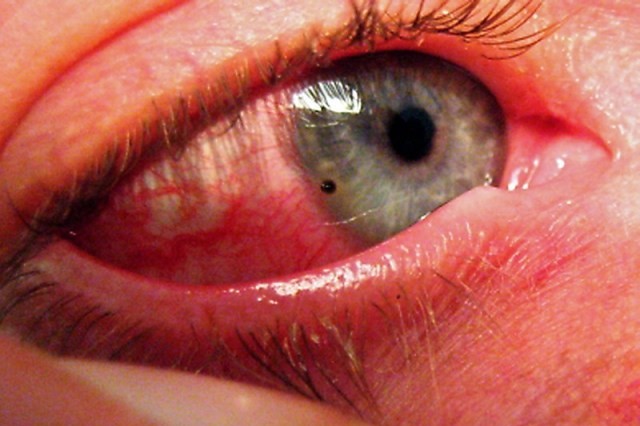
A corneal abrasion refers to a scratch or injury on the surface of the cornea, which is the clear covering of the eye. The outermost layer of the cornea is called the epithelium, and there are five layers in total.
Alternate terms for corneal abrasion include “scratched eye” or “scratched cornea.”
While a corneal abrasion is typically not considered a severe injury, it is advisable to schedule an appointment with your healthcare provider at Indotaj Medical Care. Although the scratch itself may not pose significant risks, seeking medical attention is important. In some cases, if the scratch leads to an infection, it could potentially cause more damage to the eye. Therefore, prompt evaluation and appropriate care at Indotaj Medical Care are recommended to ensure proper treatment and prevent complications.
Why it's done
- Corneal abrasions can be painful due to the presence of nerve endings on the corneal surface. Treatment aims to alleviate pain and discomfort associated with the injury.
- A scratched cornea can provide an entry point for bacteria, viruses, or fungi, leading to infection. Treatment includes measures to prevent or manage infection, such as the use of antibiotic or antifungal eye drops.
- The treatment plan is designed to facilitate the natural healing process of the cornea. Measures may include the use of lubricating eye drops, ointments, or therapeutic contact lenses to protect the eye and promote epithelial cell regeneration.
- Inflammation is a common response to injury. Treatment may involve anti-inflammatory medications or eye drops to reduce swelling and inflammation.
- Untreated corneal abrasions can lead to complications such as corneal ulcers, scarring, or vision problems. Timely treatment helps prevent these complications and ensures a smoother recovery.
- Corneal abrasions can cause sensitivity to light (photophobia) and excessive tearing. Treatment aims to minimize these symptoms and improve overall comfort.
Risk
- Working around eye hazards, like grinding machines or sawmills.
- Landscaping without safety glasses.
- Participating in sports that may cause eye injuries.
- Wearing contact lenses.
- Having dry eyes.
- Rubbing your eyes repeatedly or with too much force.
How do I get ready for Corneal Abrasion treatment?
- Corneal abrasions require prompt evaluation by an eye care professional. Contact your healthcare provider, or go to an urgent care center or the emergency room if necessary.
- Refrain from rubbing your eyes, as this can exacerbate the abrasion and potentially cause more damage.
- Avoid using over-the-counter eye drops or medications without guidance from a healthcare professional. Some medications may worsen the condition.
- If there’s a possibility of foreign particles being embedded in your eye, avoid attempting to remove them yourself. Use a clean, non-prescription eye shield or a loosely applied patch to protect your eye until you receive professional medical care.
- If you wear contact lenses, remove them immediately. Contact lenses can trap foreign particles against the cornea and worsen the abrasion.
- Be prepared to provide your medical history, including any pre-existing eye conditions, allergies, and medications you are currently taking.
- Inform the healthcare provider about any recent eye injuries, exposure to chemicals, or foreign bodies that may have contributed to the corneal abrasion.
