

Glaucoma Surgery
Overview
At Indotaj Medical Center, our cardiac department specializes in coronary artery bypass grafting (CABG), commonly referred to as heart bypass surgery, a crucial procedure aimed at reinstating proper blood flow to the heart. When artery blockages restrict blood circulation, they can trigger heart attacks or symptoms akin to a heart attack. CABG intervenes by crafting alternate pathways around these blockages using blood vessels sourced from other areas of the body. Our expert team ensures effective restoration of blood flow, employing advanced techniques and personalized care to enhance cardiac health and mitigate cardiovascular risks.
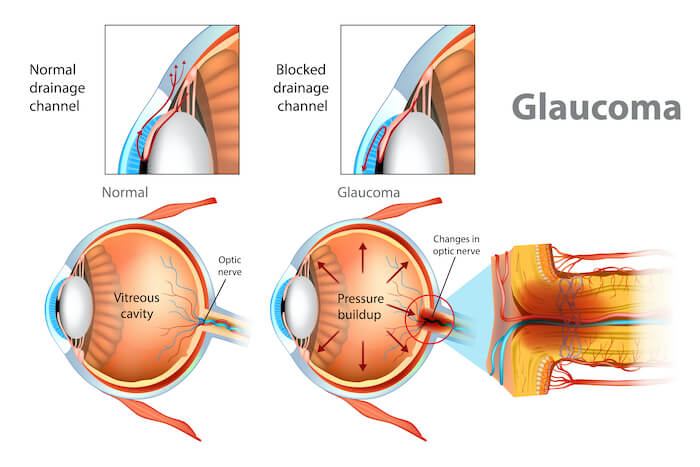
Why it's done
Glaucoma Surgery may be recommended for several reasons, including:
- When the use of medications (eye drops or oral medications) fails to sufficiently control intraocular pressure.
- Evidence of ongoing optic nerve damage and visual field loss despite adhering to medical treatments.
- For individuals who cannot tolerate or are allergic to glaucoma medications.
- In cases of acute angle-closure glaucoma or neovascular glaucoma.
- When laser treatments are not effective in controlling intraocular pressure.
- In cases where glaucoma has advanced to a stage where conservative measures are insufficient.
- Individual considerations based on the patient’s overall health, preferences, and response to prior treatments.
Risk
Glaucoma Surgery can pose potential risks and complications. Some of these include:
- Bleeding
- Infection
- Increased Intraocular Pressure (IOP)
- Hypotony (Low Intraocular Pressure)
- Visual Changes
- Cataract Formation
- Scarring or Closure of the Drainage Channel (Trabeculectomy)
- Need for Additional Surgeries
- Refractive Changes
How do I get ready for Glaucoma Surgery?
Preparing for Glaucoma Surgery involves several steps to ensure a smooth procedure and recovery:
- Undergo a thorough medical evaluation to assess your overall health and identify any pre-existing conditions that may affect the surgery.
- Complete comprehensive eye examinations, including visual acuity tests, intraocular pressure measurements, and imaging studies of the optic nerve.
- Inform your healthcare team about all medications you are currently taking, including prescription and over-the-counter drugs. Adjustments may be needed.
- Disclose any allergies or sensitivities to medications, anesthesia, or surgical materials.
- Follow specific fasting instructions provided by your healthcare team, especially if general anesthesia will be administered.
- Disclose the use of any herbal supplements or vitamins, as these may interact with medications or affect the surgery.
- Arrange for a friend or family member to accompany you on the day of the surgery and provide transportation.
