

Probing under G.A
Overview
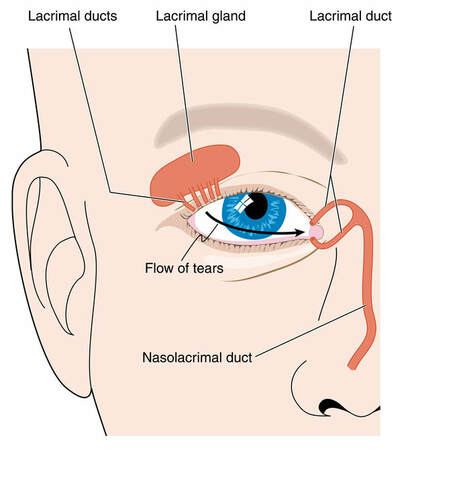
At Indotaj Medical Center, we understand the unique healthcare needs of our patients, especially when it comes to specialized procedures for children. One such procedure offered at our state-of-the-art facility is “Probing under General Anesthesia,” a solution for addressing blocked tear ducts in infants and young children.At Indotaj Medical Center, we understand the unique healthcare needs of our patients, especially when it comes to specialized procedures for children. One such procedure offered at our state-of-the-art facility is “Probing under General Anesthesia,” a solution for addressing blocked tear ducts in infants and young children.
Probing is typically recommended when a child exhibits persistent symptoms of a blocked tear duct, including excessive tearing, discharge, and recurrent eye infections. Our experienced ophthalmologists carefully evaluate each case to determine the most suitable course of action.
Why it's done
- The procedure aims to clear any obstruction within the tear duct that is causing the accumulation of tears and discharge.
- Blocked tear ducts can lead to stagnant tears, creating an environment conducive to infections. Probing helps in preventing recurrent infections.
- When conservative approaches prove ineffective, probing under G.A may be recommended to address the underlying obstruction more directly.
- Probing helps prevent amblyopia by addressing the underlying cause and promoting healthy visual development in children.
- To improve the overall comfort and well-being of the child
Risk
- Anesthesia Risks
- Infection
- Bleeding
- Overcorrection or Undercorrection
- Scarring
- Persistent Symptoms
- Allergic Reactions
- Unanticipated Complications
How do I get ready for Probing under G.A?
- Arrange a consultation with the pediatric ophthalmologist or surgeon who will perform the procedure. Use this opportunity to discuss the details of the procedure and address any concerns.
- Ensure your child undergoes a preoperative health checkup to assess their overall health and suitability for anesthesia.
- Follow any fasting instructions provided by the medical team. Typically, children are required to avoid food and liquids for a specific period before the procedure.
- Discuss any necessary adjustments to your child’s regular medications with the healthcare provider. This may include instructions about whether to continue or temporarily stop certain medications.
