

Squint Eye
Overview
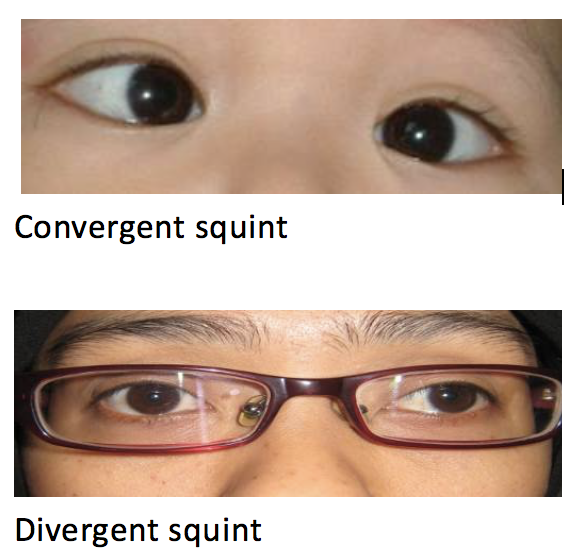
A squint, or strabismus, is a condition in which the eyes do not align properly. One eye may turn in, out, up, or down, while the other eye focuses on an object.Strabismus can be caused by issues with the eye muscles, problems with the nerves controlling the eye muscles, or a combination of factors. It may be present from childhood or develop later in life.
An eye examination by an ophthalmologist is essential to diagnose the type and cause of strabismus. This may include visual acuity tests, eye muscle movement tests, and specialized imaging. It is best treated at Indotaj Medical Center.
Why it's done
Squint Eye may be recommended for several reasons, including:
- The primary goal of treatment is to correct the misalignment of the eyes, ensuring that they work together to focus on a single point. This helps in achieving binocular vision.
- Proper eye alignment is crucial for depth perception, allowing the individual to accurately judge the distance between objects. Treatment aims to enhance depth perception by aligning the eyes.
- In cases where the squint leads to amblyopia (lazy eye), treatment is essential. Amblyopia occurs when the brain favors one eye over the other, resulting in reduced vision in the weaker eye. Patching, glasses, or other interventions may be used to strengthen the weaker eye.
- Strabismus can sometimes affect visual acuity in one or both eyes. Treatment aims to improve visual acuity by addressing any underlying issues and encouraging proper eye use.
- Individuals with strabismus may experience double vision due to the misalignment of the eyes. Treatment helps to eliminate or reduce double vision, improving overall visual comfort.
- Glasses or contact lenses may be prescribed to correct any refractive errors contributing to the squint. This can help in achieving better eye alignment.
- Treatment for squint eye aims to improve the individual’s quality of life by addressing cosmetic concerns and promoting visual comfort. Aligned eyes contribute to a more natural appearance.
Risk
Squint Eye, can pose potential risks and complications. Some of these include:
- Optical Correction (Glasses or Contact Lenses)
- Patching for Amblyopia (Lazy Eye)
- Vision Therapy
- Surgery
- Botox Injections
- Complications Specific to Children
- Cosmetic Concerns
How do I get ready for Squint Eye treatment?
Preparing for Squint Eye treatment involves several steps to ensure a smooth procedure and recovery:
- Arrange a consultation with an ophthalmologist or an eye care specialist to discuss your squint, undergo a comprehensive eye examination, and determine the most suitable treatment plan.
- Share your complete medical history, including any existing health conditions, allergies, medications, and previous eye treatments or surgeries.
- Be prepared to undergo any necessary diagnostic tests, such as visual acuity tests, eye muscle movement assessments, and imaging studies.
- Engage in discussions with your eye care professional about the recommended treatment options, potential risks, benefits, and expected outcomes.
- If surgery is recommended, follow any fasting instructions provided by your healthcare team, typically regarding food and drink before the procedure.
- Adjust medications as directed by your healthcare provider. This may include any changes in the use of eye drops or other medications.
- If optical correction is part of the treatment plan, be prepared to wear glasses or contact lenses as prescribed. Ensure that your prescription is up-to-date.
- If vision therapy, patching, or other non-surgical interventions are recommended, be prepared to follow the prescribed regimen consistently.
