

Ankle Malleolar
Overview
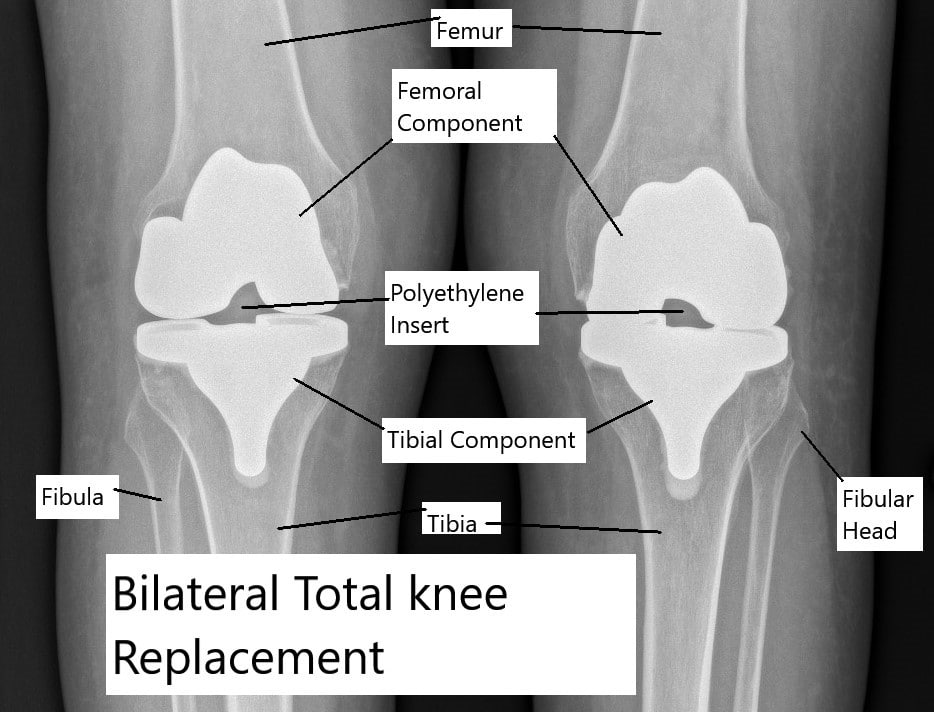
At Indotaj Medical Care, we specialize in comprehensive orthopedic solutions, including Bilateral Knee Replacement—a procedure replacing both knees with artificial joints simultaneously. Alleviate chronic knee pain and improve functionality in both knees, commonly due to osteoarthritis, rheumatoid arthritis, or degenerative joint diseases.
At Indotaj Medical Care, we prioritize patient-centered care, utilizing advanced techniques for optimal outcomes in Bilateral Knee Replacement. If you’re considering this procedure, our dedicated orthopedic team is here to provide personalized and comprehensive support at every step of your journey to restored joint health.
Why it's done
Bilateral Knee Replacement may be recommended for several reasons, including:
- Bilateral Knee Replacement is often performed in cases of severe osteoarthritis, a degenerative joint disease where the protective cartilage in the knees wears down over time. This can lead to pain, stiffness, and reduced mobility.
- Individuals with rheumatoid arthritis, an autoimmune condition affecting the joints, may undergo Bilateral Knee Replacement to alleviate pain and improve joint function.
- Other degenerative joint diseases, such as avascular necrosis or post-traumatic arthritis, can necessitate Bilateral Knee Replacement when both knees are affected.
- Severe and persistent knee pain that significantly impairs daily activities and reduces the quality of life may be an indication for bilateral joint replacement.
- When both knees are affected, and functional limitations impact a person’s ability to perform routine tasks, Bilateral Knee Replacement may be considered to restore mobility.
- Deformities in both knees, whether caused by arthritis or other conditions, can be addressed through simultaneous joint replacement.
- When conservative treatments such as medications, physical therapy, and lifestyle modifications fail to provide sufficient relief, Bilateral Knee Replacement may be recommended.
- The primary goal of Bilateral Knee Replacement is to improve the overall quality of life by relieving pain, enhancing joint function, and restoring mobility.
- Performing surgery on both knees at the same time ensures symmetry in joint function and a more balanced recovery compared to separate procedures.
- Bilateral Knee Replacement may be a cost-effective solution, as it combines hospitalization and anesthesia sessions into a single event.
Risk
Bilateral Knee Replacement, can pose potential risks and complications. Some of these include:
- Bleeding
- Infection
- Nerve or Blood Vessel Damage:
- Blood clots
- Implant Issues
- Stiffness or Reduced Range of Motion
- Persistent Pain
- Allergic Reaction
- Wound Healing Issues
- Medical Complications
- Rehabilitation Challenges
How do I get ready for Bilateral Knee Replacement?
Preparing for Bilateral Knee Replacement several steps to ensure a smooth procedure and recovery:
- Schedule and attend a preoperative consultation with your orthopedic surgeon. Discuss your medical history, current medications, and any pre-existing conditions.
- Complete necessary diagnostic tests, including X-rays, MRI, or blood tests, as recommended by your surgeon.
- Undergo a comprehensive medical evaluation to assess your overall health and identify any factors that might impact the surgery.
- Wear loose, comfortable clothing on the day of the procedure. This makes it easier to change into a gown if necessary.
- Adhere to any specific preoperative instructions provided by your surgeon or healthcare team.
