

Lumbar Epidural Steroid Injections
Overview
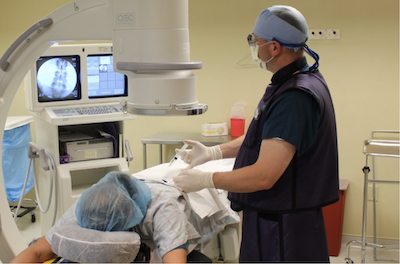
Lumbar Epidural Steroid Injections (LESI) are a common medical procedure used to alleviate pain and inflammation in the lumbar spine, which is the lower back. This intervention involves the injection of corticosteroid medications, often combined with a local anesthetic, into the epidural space around the spinal cord and nerve roots.
Why it's done
Lumbar Epidural Steroid Injections may be recommended for several reasons, including:
- LESI may be used to reduce inflammation and alleviate pain associated with a herniated disc in the lumbar spine. The injection can target the affected nerve roots and provide relief.
- Spinal stenosis, a condition where the spinal canal narrows, can lead to compression of nerves. LESI may help reduce inflammation and relieve pain associated with spinal stenosis.
- For individuals with degenerative disc disease, where the intervertebral discs wear down over time, LESI may be employed to address pain and inflammation.
- Sciatica, characterized by pain radiating down the sciatic nerve, often involves inflammation of nerve roots. LESI can target this inflammation and provide relief from sciatic pain.
- Arthritis in the facet joints of the lumbar spine can cause pain and stiffness. LESI may be used to reduce inflammation in these joints and alleviate symptoms.
- Radiculopathy refers to pain, numbness, or weakness that radiates along the path of a nerve. LESI can be beneficial in managing radicular symptoms caused by nerve compression.
- In some cases, individuals may experience persistent pain after lumbar spine surgery. LESI can be considered to address residual pain and inflammation.
Risk
Lumbar Epidural Steroid Injections can pose potential risks and complications. Some of these include:
- Bleeding
- Infection
- Nerve Damage
- Allergic Reaction
- Temporary Increase in Pain
How do I get ready for Lumbar Epidural Steroid Injections?
Preparing for Lumbar Epidural Steroid Injections involves several steps to ensure a smooth procedure and recovery:
- Schedule a consultation with the healthcare provider who will perform the procedure. Discuss your medical history, current medications, and any allergies.
- Complete any necessary diagnostic tests, such as X-rays or imaging studies, to provide detailed information about your lumbar spine and guide the procedure.
- Undergo a comprehensive medical evaluation to assess your overall health and identify any pre-existing conditions that may affect the procedure or anesthesia.
- Review your current medications with your healthcare provider. Adjustments may be necessary, especially for medications that affect blood clotting.
- Wear loose, comfortable clothing on the day of the procedure. This makes it easier to change into a gown if necessary.
- Bring necessary personal items, including identification, insurance information, and any documents provided by your healthcare team.
- Avoid wearing makeup and jewelry on the day of the procedure. This helps with the application of monitors and ensures aseptic conditions.
