

PCL Reconstruction
Overview
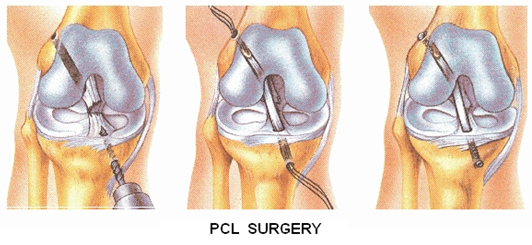
Posterior Cruciate Ligament (PCL) reconstruction is a surgical procedure performed to repair a torn or injured PCL in the knee. The PCL is one of the four major ligaments in the knee, providing stability and preventing excessive backward movement of the tibia (shin bone). When the PCL is injured, particularly in cases of significant tears or complete ruptures, surgical reconstruction may be recommended.
PCL reconstruction is a specialized procedure, and the specific details may vary based on the surgeon’s approach and the patient’s individual condition. Recovery timelines also vary, with a gradual return to normal activities and sports. It’s important for individuals considering PCL reconstruction to discuss the procedure, potential risks, and expected outcomes with their orthopedic surgeon for personalized information and guidance.
Why it's done
- PCL reconstruction is often indicated when there is a significant tear or complete rupture of the PCL. This can occur due to trauma, such as a direct blow to the front of the knee or a hyperextension injury.
- PCL reconstruction may be part of a treatment plan for individuals who have sustained multiligament injuries, involving damage to multiple knee ligaments.
- When conservative treatments, such as physical therapy and non-surgical management, fail to address persistent symptoms associated with a PCL tear, surgery may be considered.
- A torn PCL can lead to knee instability, especially during activities that involve sudden stops, changes in direction, or jumping. PCL reconstruction aims to restore stability to the knee.
- In cases of chronic PCL injuries, where the ligament has not healed properly or has undergone degenerative changes, reconstruction may be necessary to improve function and reduce symptoms.
- Individuals with specific occupational or sports requirements that demand a stable and functional knee may opt for PCL reconstruction to return to their previous level of activity.
- PCL reconstruction may be performed to prevent or minimize the risk of secondary injuries, such as meniscal tears or cartilage damage, that can occur due to chronic instability.
Risk
- Bleeding
- Infection
- Graft Complications
- Nerve or Vascular Injury
- Stiffness and Reduced Range of Motion
- Persistent Symptoms
- Chronic Pain
- Joint Stiffness
- Complications from Anesthesia
- Blood Clot Formation
- Heterotopic Ossification
How do I get ready for PCL Reconstruction?
- Schedule a thorough consultation with your orthopedic surgeon. Discuss your symptoms, medical history, and any concerns you may have.
- Undergo necessary diagnostic tests, such as X-rays or imaging studies, to provide detailed information about the PCL injury and assess the overall condition of your knee.
- Complete a comprehensive medical evaluation to assess your overall health and identify any pre-existing conditions that may affect the surgery or anesthesia.
- Review your current medications with your healthcare provider. Adjustments may be necessary, especially for medications that affect blood clotting.
- Adhere to any specific preoperative instructions provided by your healthcare team, including arrival times and pre-surgery protocols.
- Wear loose, comfortable clothing on the day of surgery, considering ease of dressing and undressing.
- Bring necessary personal items, including identification, insurance information, and any documents provided by your healthcare team.
