

Dental procedures under GA
Overview
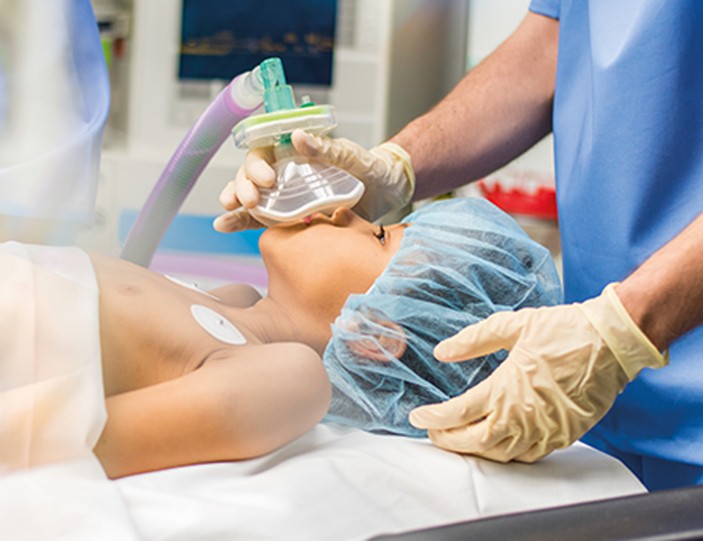
Dental procedures under general anesthesia (GA) involve the administration of anesthesia to induce a state of unconsciousness, allowing the dentist or oral surgeon to perform extensive dental work.
Dental procedures under GA are typically recommended for extensive treatments, ensuring patient comfort and allowing the dental team to work efficiently. It is essential for patients to follow pre-operative and post-operative instructions for a successful outcome.
Why it's done
Dental procedures under GA treatment may be recommended for several reasons, including:
- Extensive dental procedures, such as multiple extractions, restorative work, or oral surgeries, may be more efficiently and comfortably completed when the patient is under general anesthesia.
- Patients with severe dental phobia or anxiety may find it challenging to undergo extensive dental treatments while conscious. General anesthesia helps manage anxiety and allows for a more relaxed experience.
- Children with behavioral challenges or difficulty cooperating during dental treatments may benefit from general anesthesia to ensure a stress-free and safe environment for dental procedures.
- Patients with certain medical conditions that make it challenging to tolerate dental procedures, or those with special needs, may require general anesthesia for their safety and comfort.
- Performing multiple dental procedures at once under general anesthesia can be more time-efficient for both the patient and the dental team.
- Some specialized dental surgeries, such as jaw reconstruction or extensive oral and maxillofacial surgeries, may necessitate general anesthesia.
- General anesthesia ensures that the patient is completely unconscious and unaware during the dental procedures, minimizing discomfort and pain.
Risk
Dental procedures under GA treatment, like any major treatment, can pose potential risks and complications. Some of these include:
- Anesthetic complications
- Cardiovascular issues
- Respiratory issues
- Aspiration
- Postoperative nausea and vomiting (PONV)
- Infection
- Allergic reactions
- Postoperative pain
How do I get ready for Dental procedures under GA treatment?
Preparing for Dental procedures under GA treatment involves several steps to ensure a smooth procedure and recovery:
- Provide a thorough medical history, including information about any pre-existing medical conditions, allergies, medications, and previous surgeries.
- Undergo a preoperative evaluation, which may include blood tests, an electrocardiogram (ECG or EKG), and other necessary assessments.
- Discuss any concerns, anxieties, or questions you may have with your dentist, oral surgeon, and anesthesia provider.
- Inform your healthcare team about any changes in your health status, medications, or new medical conditions since your last visit.
- Follow specific fasting instructions provided by your healthcare team. Typically, patients are required to abstain from food and liquids for a specified period before the procedure to reduce the risk of aspiration.
- Follow your healthcare team’s guidance regarding medication use before the procedure. This may include adjusting the dosage or temporarily discontinuing certain medications.
- Practice good oral hygiene before the procedure to minimize the risk of infection. Brush your teeth thoroughly and, if instructed, use an antiseptic mouthwash.
- Wear comfortable, loose-fitting clothing on the day of the procedure.
- Remove any jewelry, contact lenses, or other accessories as directed by the healthcare team.
- Arrange for someone to accompany you to the dental facility on the day of the procedure and to take you home afterward. You should not drive or operate heavy machinery for a certain period after receiving general anesthesia.
- Make arrangements for someone to assist you at home during the initial recovery period.
- Follow postoperative care instructions provided by your healthcare team, including guidelines for managing pain, swelling, and any prescribed medications.
