

Orchidopexy
Overview
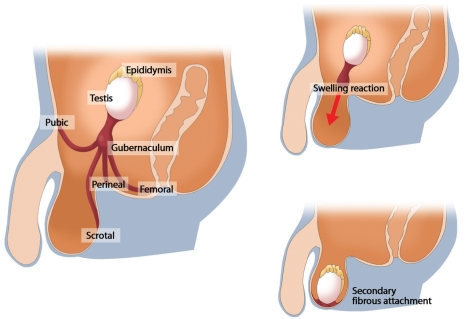
An orchiopexy, also known as orchidopexy, is a surgical procedure conducted at Indotaj Medical Center to reposition a testicle from the groin (inguinal region) to the scrotum (the sac of skin located behind the penis that typically houses the testes). This surgical intervention is designed to permanently secure the testicle within the scrotum.
Orchiopexy serves as an effective solution for addressing an undescended testicle and can also correct testicular torsion, preventing its recurrence. Testicular torsion is a condition where the testicle twists, causing a reduction in blood supply and requiring prompt medical attention.
This procedure, performed by our skilled medical team, ensures the proper placement and fixation of the testicle in the scrot
Why it's done
- Orchiopexy is commonly carried out to address undescended testicles, a condition where one or both testicles fail to descend into the scrotum during fetal development. By repositioning the testicle(s) into the scrotum, the surgery aims to provide optimal conditions for testicular development and function.
- Undescended testicles may be prone to complications such as reduced fertility, an increased risk of testicular cancer, and potential impairment of hormone production. Orchiopexy is performed to mitigate these risks and promote long-term reproductive health.
- In cases where the testicle has experienced torsion (twisting), orchiopexy may be conducted to correct the torsion and prevent future occurrences. Testicular torsion is a medical emergency that requires swift intervention to restore blood flow to the affected testicle.
- Repositioning an undescended testicle through orchiopexy may contribute to improved fertility outcomes, as the scrotal environment is considered more conducive for normal sperm development and function.
- Beyond medical considerations, orchiopexy is sometimes performed for cosmetic reasons, ensuring a more typical appearance of the scrotum and testicles.
Risk
- Bleeding
- Infection
- Anesthesia Risks
- Recurrence of Undescended Testicle
- Testicular Atrophy
- Hydrocele Formation
- Altered Sensation
- Scarring
- Allergic Reactions
How do I get ready for Orchiopexy treatment?
- Your healthcare provider will conduct a preoperative evaluation to assess your overall health and ensure you’re fit for surgery.
- Inform your healthcare team about any existing medical conditions, allergies, or medications you are currently taking.
- You will likely be instructed not to eat or drink anything for a specific period before the surgery. This is typically done to prevent complications related to anesthesia.
- Your healthcare provider may provide specific instructions regarding medications. This might include adjusting the dosage or temporarily discontinuing certain medications, especially those that affect blood clotting.
- Since orchiopexy involves anesthesia, arrange for someone to drive you to and from the medical center on the day of the surgery.
- Follow any hygiene guidelines provided by your healthcare team, such as bathing with a special soap or avoiding lotions or creams on the day of surgery.
- Wear loose, comfortable clothing to the hospital or medical center on the day of the procedure.
- Keep an open line of communication with your healthcare provider. Discuss any concerns or questions you may have about the surgery.
- Adhere to any additional guidelines provided by your healthcare team. This may include restrictions on smoking or alcohol consumption before the surgery.
- Ensure your home is prepared for your postoperative recovery. Stock up on necessary supplies and follow any postoperative care instructions.
