

Thoracoscopy
Overview
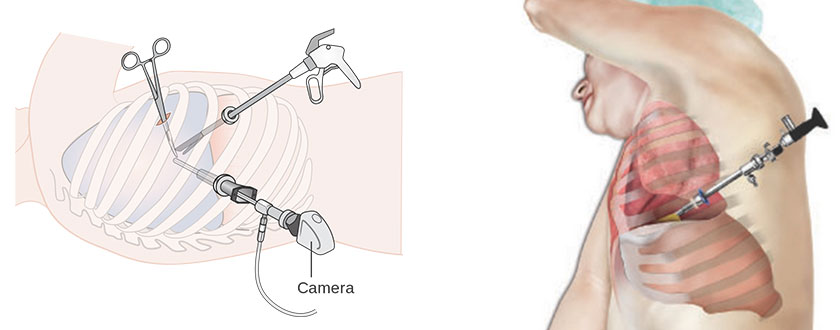
Thoracoscopy, also known as video-assisted thoracic surgery (VATS), is a procedure used to diagnose and treat certain conditions affecting the chest area. It involves the insertion of a thin tube with a tiny video camera (thoracoscope) through a small incision in the chest. Surgical instruments are then inserted through separate small incisions to perform procedures guided by images from the thoracoscope.
Thoracoscopy is used for various conditions, including lung biopsies, pleural effusion drainage, and the treatment of certain lung or chest abnormalities. Patients can expect personalized care and support throughout the thoracoscopy process at Indotaj Medical Center.
Thoracoscopy is used for various conditions, including lung biopsies, pleural effusion drainage, and the treatment of certain lung or chest abnormalities. Patients can expect personalized care and support throughout the thoracoscopy process at Indotaj Medical Center.
Why it's done
Coronary artery bypass surgery may be recommended for several reasons, including:
- To obtain tissue samples from the lungs for examination, helping diagnose conditions such as lung cancer, infections, or interstitial lung diseases.
- To collect samples from the pleura (lining of the chest cavity) for diagnostic evaluation, aiding in the diagnosis of pleural diseases.
- To visually examine and evaluate the pleural space for abnormalities or diseases.
- To remove small, localized lung tumors or nodules.
- To remove the fibrous peel (decorticate) that may develop around the lung, improving lung function.
- To treat recurrent pleural effusions by inducing adhesion between the layers of the pleura, preventing fluid accumulation.
- In some cases of emphysema or chronic obstructive pulmonary disease (COPD), VATS may be used to remove damaged lung tissue, improving lung function.
- Removal of the thymus gland, often performed in cases of thymoma or myasthenia gravis.
- Thoracoscopy is utilized for staging lung cancer, determining the extent of the disease and helping guide treatment decisions.
- Drainage of pleural effusions to alleviate symptoms and obtain fluid samples for analysis.
- Treatment of certain infections affecting the chest cavity.
- Examination and evaluation of abnormal findings observed on imaging studies, such as chest X-rays or CT scans.
Risk
Thoracoscopy, like any major surgery, can pose potential risks and complications. Some of these include:
- Bleeding
- Infection
- Pneumothorax
- Damage to Organs or Structures
- Reaction to Anesthesia
- Persistent Chest Pain
- Respiratory Complications
- Incomplete Procedure
- Allergic Reaction
How do I get ready for Thoracoscopy?
Preparing for Thoracoscopy involves several steps to ensure a smooth procedure and recovery:
- Your healthcare team at Indotaj Medical Center will conduct a thorough medical evaluation. This may include a review of your medical history, physical examination, and any necessary laboratory tests.
- You will have a detailed discussion with your surgeon about the reasons for the thoracoscopy, the expected benefits, potential risks, and alternative treatment options. This is an opportunity to address any questions or concerns you may have.
- Follow any specific preoperative instructions provided by your healthcare provider. This may include dietary restrictions, medication adjustments, and guidelines for the day before the surgery.
- You will likely be instructed to fast for a certain period before the procedure. This ensures an empty stomach and reduces the risk of complications related to anesthesia.
- Inform your healthcare team about all medications you are currently taking, including prescription medications, over-the-counter drugs, and supplements. Follow instructions on whether to continue or temporarily stop certain medications, especially blood-thinning medications.
- If you smoke, consider quitting or reducing smoking before the surgery. Smoking can interfere with the healing process and increase the risk of complications.
- Plan for transportation to and from the hospital. You may not be able to drive yourself home after the procedure, especially if general anesthesia is used.
- Wear comfortable and loose-fitting clothing on the day of the surgery. Avoid wearing jewelry and remove any piercings.
