

Burn Contracture
Overview
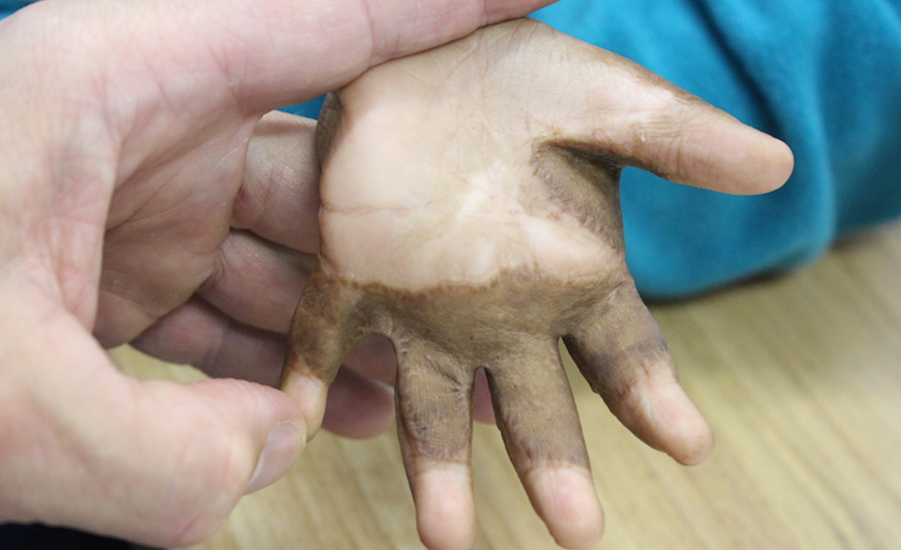
At Indotaj Medical Center, we specialize in providing comprehensive care for burn injuries, including the management of burn contractures. A burn contracture is the tightening and shortening of the skin and underlying tissues that occurs during the healing process after a burn injury. A burn contracture occurs when the skin and underlying tissues tighten and restrict movement due to the healing process following a burn injury. Our expert team employs advanced techniques to address burn contractures and improve patients’ functionality and quality of life.
Why it's done
Burn contracture treatment is essential to address the complications that arise from the healing process after a burn injury. At Indotaj Medical Center, our burn contracture treatment is performed for several important reasons:
- Restore Functionality
- Improve Range of Motion
- Relieve Pain and Discomfort
- Prevent Complications
- Enhance Aesthetic Appearance
- Promote Psychological Well-being
- Customized Treatment Plans
- Facilitate Rehabilitation
Risk
Coronary artery bypass surgery, like any major surgery, can pose potential risks and complications. Some of these include:
- Bleeding
- Infection
- Poor Wound Healing
- Scarring
- Changes in Sensation
- Functional Limitations
- Allergic Reactions
- Anesthesia Risks
- Vascular Compromise
- Nerve Damage
- Psychological Impact
How do I get ready for Burn Contracture treatment?
Preparing for Burn Contracture treatment involves several steps to ensure a smooth procedure and recovery:
- Schedule a consultation with the healthcare team at Indotaj Medical Center to discuss your burn contracture and evaluate your medical history.
- The healthcare provider will assess the severity, location, and type of burn contracture to determine the most suitable treatment options.
- Undergo necessary medical assessments, including blood tests and imaging studies, to ensure you are in optimal health for the planned treatment.
- Communicate openly with your healthcare team about your expectations, concerns, and any specific goals you have for the treatment.
- Discuss any allergies, medications, or previous surgeries that may impact the treatment.
- Your healthcare provider will review potential treatment options based on the evaluation, which may include surgical interventions, physical therapy, or a combination of approaches.
- Gain a clear understanding of the proposed treatment plan, expected outcomes, and potential risks.
- If surgical intervention is planned, follow preoperative instructions provided by your healthcare team. This may include guidelines on fasting, medication adjustments, and specific hygiene measures.
- If undergoing outpatient procedures or surgery, arrange for transportation to and from the medical center. You may need assistance after the procedure.
- Acknowledge and address any emotional concerns or anxiety related to the treatment. Seek support from family members, friends, or mental health professionals if needed.
- Discuss postoperative care plans with your healthcare team, including wound care, physical therapy, and follow-up appointments.
- Ensure that you have any necessary medications or dressings at home for the recovery period.
- Follow any dietary recommendations provided by your healthcare team to support optimal healing and recovery.
- Identify a support system that can assist you during the recovery process. This may include family members, friends, or caregivers who can provide physical and emotional support.
