

Cleft lip/Palate
Overview
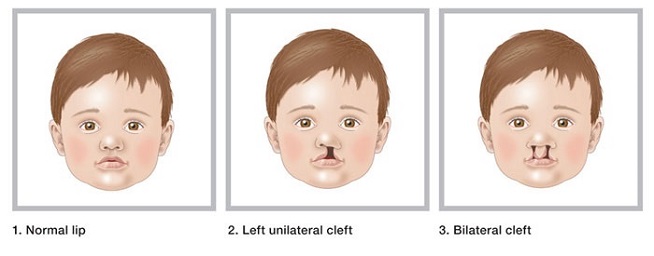
Cleft lip and cleft palate are congenital conditions characterized by openings or splits in the upper lip, the roof of the mouth (palate), or both. These conditions occur when certain facial structures of an unborn baby do not fully close during development.
At Indotaj Medical Center in Tajikistan, we understand the concerns associated with cleft lip and cleft palate, and our multidisciplinary team is dedicated to providing comprehensive care to address both functional and aesthetic aspects.
Why it's done
Cleft lip/Palate treatment may be recommended for several reasons, including:
- The primary goal of treatment is to facilitate the normal development of facial structures. Surgical interventions aim to close the openings or splits in the lip and/or palate, allowing for proper alignment and closure during a child’s growth.
- Surgical correction of cleft lip and cleft palate is performed to improve the aesthetics of the face. The procedures aim to restore a more natural appearance, minimizing the visible effects of the congenital condition and enhancing the patient’s overall facial symmetry.
- Cleft lip and cleft palate can impact functions such as feeding, speech, and dental development. Treatment interventions, including surgery, speech therapy, and dental care, are implemented to restore and optimize these functions, promoting normal eating, speaking, and oral health.
- Cleft palate, in particular, can affect speech development due to the opening in the roof of the mouth. Treatment involves addressing speech-related challenges through surgery and ongoing speech therapy to ensure that individuals can communicate effectively.
- Untreated cleft lip and cleft palate can lead to various complications, including ear infections, dental issues, and challenges with social interactions. Timely and comprehensive treatment helps prevent or minimize these potential complications, contributing to the overall well-being of the individual.
- By addressing both the physical and emotional aspects of cleft conditions, treatment aims to enhance the quality of life for individuals affected. Improving appearance, functionality, and overall health contributes to a positive and fulfilling life experience.
- Cleft lip and cleft palate treatment at Indotaj Medical Center goes beyond the physical procedures. Our healthcare professionals offer emotional support and counseling to individuals and their families, helping them navigate the challenges associated with the condition.
Risk
Cleft lip/Palate, like any major treatment, can pose potential risks and complications. Some of these include:
- Family history
- Exposure to certain substances during pregnancy
- Having diabetes
- Being obese during pregnancy
How do I get ready for Cleft lip/Palate treatment?
Preparing for Cleft lip/Palate treatment involves several steps to ensure a smooth procedure and recovery:
- Provide a detailed medical history, including any pre-existing conditions, previous surgeries, and medications taken. The healthcare team will conduct a thorough examination to assess the specific characteristics of the cleft and determine the most suitable treatment plan.
- Schedule a consultation with the healthcare team, including plastic surgeons, oral and maxillofacial surgeons, and other specialists. During this consultation, discuss your goals, expectations, and any concerns you may have. Take this opportunity to ask questions and gain a clear understanding of the proposed treatment plan.
- Expect the healthcare team to take photographs of the affected area from various angles. These photos serve as a reference for treatment planning and may be used for before-and-after comparisons. In some cases, imaging technologies may be employed to further assess the anatomy.
- Follow any preoperative instructions provided by the healthcare team. This may include guidelines on fasting before surgery, discontinuing certain medications, and adhering to specific hygiene practices. Complying with these instructions is crucial for the success of the procedure.
- If the treatment involves surgery, arrange for transportation to and from the medical center on the day of the procedure. After anesthesia, individuals may experience drowsiness, making it unsafe to drive. Having a family member or friend available for assistance is advisable.
- Build a support system to assist during the recovery period. Depending on the nature of the treatment, individuals may need help with daily activities, especially in the immediate postoperative phase. Having someone available for emotional support is also valuable.
- Recognize the emotional aspects of undergoing cleft lip and cleft palate treatment. It’s normal to have mixed emotions, and discussing these feelings with the healthcare team or seeking additional counseling can be beneficial.
- Understand the financial aspects of the treatment, including insurance coverage, potential out-of-pocket expenses, and payment arrangements. Clarify any financial concerns beforehand to minimize stress during the treatment process.
- If surgery is scheduled, pack essential items for the hospital stay, including personal hygiene items, comfortable clothing, and any necessary medications. Follow the hospital’s guidelines on what to bring.
- Familiarize yourself with the postoperative care instructions provided by the healthcare team. This may include guidelines on wound care, medication management, and follow-up appointments.
