

Microvascular Surgery
Overview
Within the Head & Neck Institute at Indotaj Medical Center, our dedicated section of Facial Plastic and Reconstructive Surgery provides holistic solutions for a range of facial concerns. Our team specializes in addressing both functional (non-cosmetic) and cosmetic issues, ensuring a thorough and personalized approach to patient care.
Why it's done
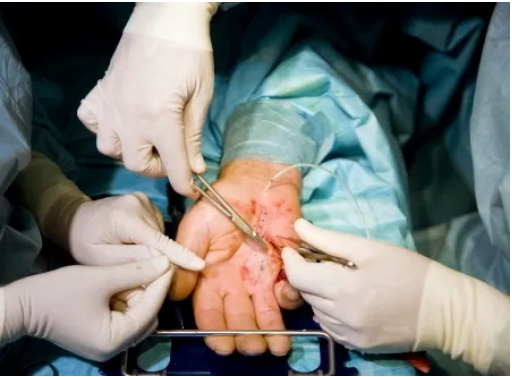
Microvascular surgery, a highly specialized field, is performed at Indotaj Medical Center with the aim of addressing specific medical conditions and achieving intricate surgical goals. Here are some common reasons why microvascular surgery is done:
- Microvascular surgery is often employed for tissue reconstruction, especially in cases where significant tissue loss or damage has occurred due to trauma, cancer removal, or congenital anomalies.
- Microvascular surgery plays a crucial role in addressing vascular disorders, including conditions that affect blood vessels and circulation.
- Microvascular surgery is integral to the success of organ transplantation, facilitating the reconnection of blood vessels to ensure proper blood supply to the transplanted organ or tissue.
- Microvascular techniques are employed in nerve repair and reconstruction to restore function and sensation following nerve injuries or conditions.
- Microvascular surgery can be applied in lymphatic surgery to address conditions such as lymphedema, which involves the accumulation of fluid due to impaired lymphatic drainage.
- Microvascular surgery is frequently employed in cancer reconstruction to restore form and function following tumor removal.
Risk
Microvascular Surgery, like any major surgery, can pose potential risks and complications. Some of these include:
- Thrombosis (Blood Clot Formation)
- Ischemia (Insufficient Blood Supply)
- Tissue Necrosis (Cell Death)
- Infection
- Anastomotic Leak
- Compromised Healing
How do I get ready for Microvascular Surgery?
Preparing for Microvascular Surgery involves several steps to ensure a smooth procedure and recovery:
- Schedule an initial consultation with your surgeon to discuss the details of the procedure, including its purpose, expected outcomes, and potential risks.
- Share your medical history, including any existing medical conditions, allergies, medications, and previous surgeries.
- Undergo any necessary diagnostic tests, such as imaging studies or blood tests, as prescribed by your surgeon. These tests help assess your overall health and identify any specific considerations for the surgery.
- Have a detailed discussion with your surgeon about your expectations from the surgery, including the desired outcomes and any concerns you may have.
- Obtain medical clearance from your primary care physician or other specialists if required. This ensures that you are in optimal health for the surgical procedure.
- Follow any specific preoperative instructions provided by your surgeon. This may include dietary restrictions, guidelines on medication use, and instructions on activities leading up to the surgery
- If you smoke, consider quitting or reducing smoking before the surgery, as smoking can affect blood circulation and healing.
- Plan for transportation to and from the medical center on the day of the surgery.
- Arrange for a responsible adult to accompany you home after the surgery, as you may be temporarily incapacitated.
- Discuss postoperative care and recovery plans with your surgeon. Understand any restrictions or recommendations for the postoperative period.
- Pack essential items for your hospital stay, including comfortable clothing, personal hygiene items, and any items recommended by the healthcare team.
- Communicate any concerns or questions you may have with your surgeon. Clear communication ensures that you are well-informed and comfortable with the upcoming procedure.
