

Tendon suturing
Overview
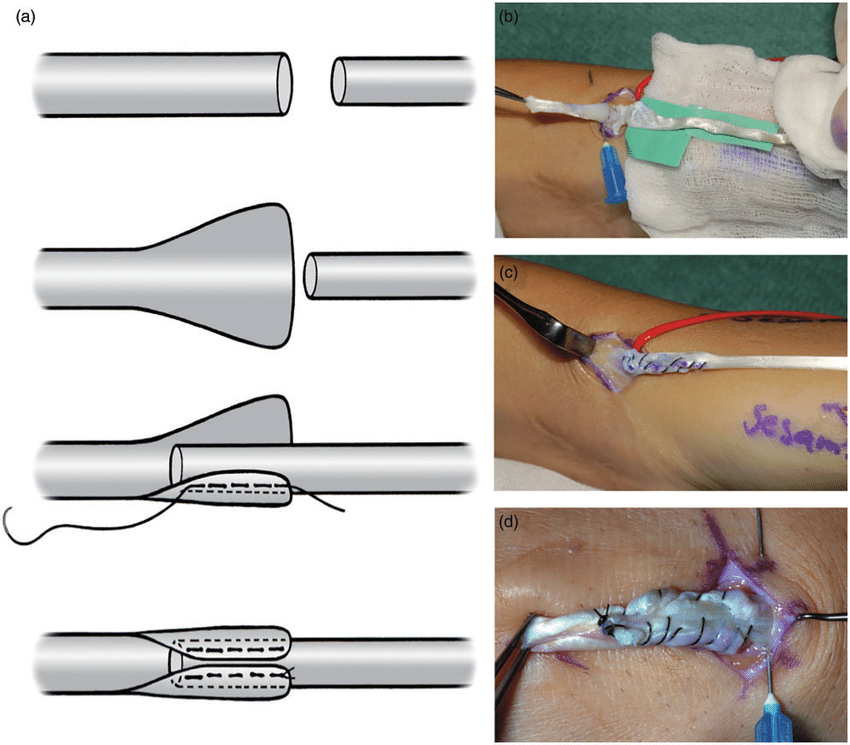
At Indotaj Medical Center, tendon suturing is a specialized procedure performed by our skilled medical professionals to repair or reconstruct tendons that may have been injured or damaged.
Indotaj Medical Center adopts a patient-centric approach to tendon suturing, ensuring comprehensive pre-surgical evaluations, precise surgical techniques, and supportive post-operative care. Our team of experienced surgeons and healthcare professionals is dedicated to achieving successful outcomes in tendon repair procedures.
Why it's done
Tendon suturing may be recommended for several reasons, including:
- Tendon suturing is commonly performed to repair complete or partial tears in tendons. These tears can occur as a result of acute injuries, such as sports-related trauma, accidents, or sudden forceful movements.
- Traumatic events, such as falls or direct blows to a joint, can cause injuries to the tendons. Tendon suturing may be indicated to address the damage and facilitate optimal healing.
- Chronic conditions affecting tendons, such as chronic tendonitis or degenerative changes, may require surgical intervention when conservative treatments prove ineffective.
- Lacerations or cuts that directly involve tendons may necessitate suturing to bring the tendon ends together and promote proper healing.
- In cases where a tendon has undergone significant damage or loss, tendon reconstruction procedures may be performed to rebuild the tendon using grafts or advanced techniques.
- Tendon suturing is undertaken with the overarching goal of improving joint function by restoring the structural integrity of tendons.
- Tendon suturing is a proactive approach to prevent long-term complications associated with untreated tendon injuries, such as chronic pain, joint instability, and functional limitations.
Risk
Tendon suturing, like any major treatment, can pose potential risks and complications. Some of these include:
- Infection
- Delayed Healing
- Scar Tissue Formation
- Nerve Damage
- Tendon Re-rupture
- Stiffness and Reduced Range of Motion
- Bleeding
- Allergic Reactions
- Anesthesia-related Risks
- Swelling and Bruising
How do I get ready for Tendon suturing treatment?
Preparing for Tendon suturing treatment involves several steps to ensure a smooth procedure and recovery:
- Contact Indotaj Medical Center to schedule an initial consultation with a specialist in tendon injuries and orthopedic surgery.
- Provide a detailed medical history, including information about the injury, previous treatments, and any existing medical conditions.
- Undergo necessary diagnostic tests, such as X-rays, MRI scans, or ultrasound, to assess the extent and nature of the tendon injury.
- Discuss the results of diagnostic tests with the surgeon during follow-up appointments.
- Schedule a consultation with the surgeon who will perform the tendon suturing procedure.
- Discuss the proposed treatment plan, including the reasons for tendon suturing, expected outcomes, and potential risks.
- Raise any concerns or questions you may have about the procedure, recovery, or postoperative care.
- Adhere to any preoperative instructions provided by the healthcare team, including dietary restrictions and medication adjustments.
- If required, follow fasting instructions provided by the surgeon, typically starting the night before the surgery.
- Review current medications with the healthcare team. Some medications, such as blood thinners, may need to be adjusted or temporarily stopped before the procedure.
- Follow any activity restrictions recommended by the surgeon leading up to the surgery.
- If necessary, use assistive devices, such as crutches or braces, as advised by the healthcare team.
- Arrange for transportation to and from the medical center on the day of the surgery, especially if sedation or anesthesia is involved.
- Ensure that you have a support system in place, including someone who can assist with postoperative care and transportation.
- Engage in relaxation techniques and mental preparation to reduce anxiety before the surgery.
- Communicate openly with the healthcare team about any fears or anxieties you may have.
- Follow recommended hygiene practices, such as showering with antimicrobial soap, to reduce the risk of infection.
- Wear comfortable clothing on the day of the surgery, considering the specific area where tendon suturing will be performed.
- Prepare your home environment for the postoperative phase, ensuring it is safe and conducive to recovery.
- Schedule and be aware of follow-up appointments with the surgeon for postoperative assessments.
