

IVP/CT Contrast
Overview
Indotaj Medical Center offers Intravenous Pyelogram (IVP) and Computed Tomography (CT) with contrast as advanced diagnostic imaging procedures. These tests involve the use of contrast material to enhance the visibility of organs and structures within the body, providing detailed information for accurate diagnosis.
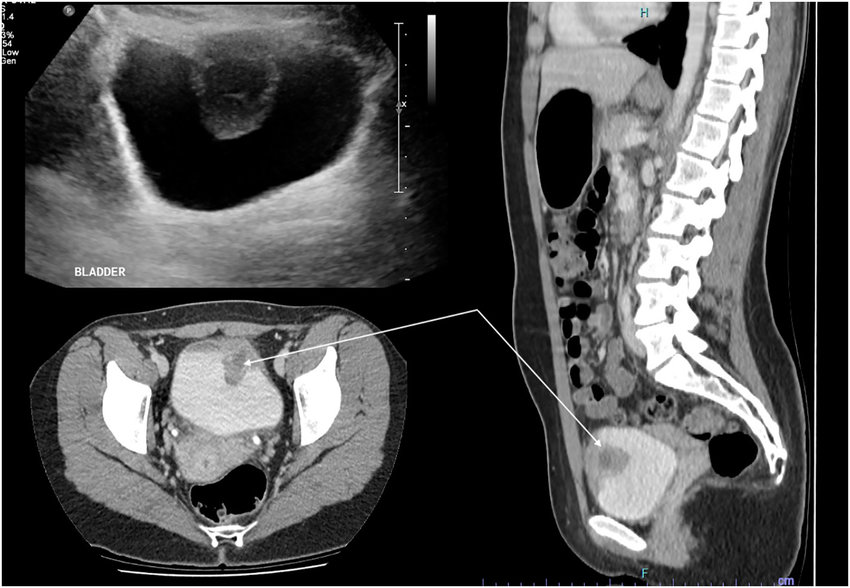
Why it's done
IVP/CT Contrast may be recommended for several reasons, including:
Accurate Diagnosis:
- IVP and CT contrast are valuable tools for obtaining detailed images that aid in the accurate diagnosis of urinary and non-urinary conditions.
Comprehensive Assessment:
- These procedures allow for a comprehensive assessment of anatomical structures, facilitating the identification of abnormalities and providing essential information for treatment planning.
Treatment Monitoring:
- IVP can be utilized to monitor the effectiveness of treatments for urinary system disorders, while CT contrast aids in the ongoing evaluation of various health conditions.
Multi-Disciplinary Approach:
- Indotaj Medical Center employs a multi-disciplinary approach, combining imaging expertise with medical consultations to ensure a thorough understanding of patient health.
State-of-the-Art Technology:
- Our center is equipped with state-of-the-art imaging technology and skilled professionals to provide high-quality, precise, and safe diagnostic services.
Risk
IVP/CT Contrast, like any major surgery, can pose potential risks and complications. Some of these include:
- Allergic Reactions
- Kidney Issues
- Contrast Extravasation
- Radiation Exposure
- Impaired Renal Function
- Pregnancy Concerns
- Thyroid Issues
- Medication Interactions
How do I get ready for IVP/CT Contrast?
Preparing for IVP/CT Contrast involves several steps to ensure a smooth procedure and recovery:
- Schedule a pre-procedure consultation with your healthcare provider at Indotaj Medical Center to discuss the details of the IVP or CT contrast procedure. This consultation will involve a review of your medical history, current medications, and any potential allergies.
- Follow any fasting instructions provided by your healthcare provider. In some cases, you may be asked to avoid eating or drinking for a specific period before the procedure to ensure accurate imaging results.
- Inform your healthcare provider about all medications you are currently taking, including prescription drugs, over-the-counter medications, and supplements. Your provider will advise on whether any adjustments are necessary.
- If you have a history of allergies, particularly to contrast materials, iodine, or medications, inform your healthcare provider. Allergic reactions are rare but can occur.
- For CT contrast procedures, individuals with known kidney issues may undergo a pre-procedure assessment to evaluate kidney function. This helps in determining the appropriate approach to minimize the risk of contrast-induced nephropathy.
- Depending on the type of procedure and your medical history, your healthcare provider may provide instructions on hydration before and after the test. Adequate hydration is essential, especially for CT contrast procedures.
- If you are pregnant or breastfeeding, inform your healthcare provider. Depending on the situation, alternative imaging methods may be considered to minimize radiation exposure.
- Wear comfortable clothing to the medical center. You may be required to change into a hospital gown for the procedure.
- For procedures that involve sedation or if you anticipate any discomfort, it’s advisable to arrange for someone to accompany you to the medical center and drive you home afterward.
