

Radical Cystectomy / Neobladder
Overview
At Indotaj Medical Center in Tajikistan, cystectomy, a surgical procedure involving the removal of the urinary bladder, is conducted with specialized care and consideration for various conditions:
Radical Cystectomy: This comprehensive procedure involves the complete removal of the bladder. In men, it often includes the removal of the prostate and seminal vesicles, while in women, it typically entails the removal of the uterus, ovaries, fallopian tubes, and part of the vagina.
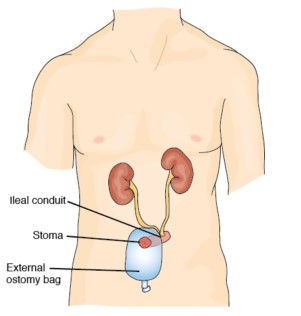
Urinary Diversion: Following bladder removal, the surgeon creates a new system for storing and expelling urine, known as urinary diversion. The options for urinary diversion will be discussed with you, and our surgical team will guide you through the appropriate choices for your individual case.
Indications for Radical Cystectomy: This procedure is recommended for cases where cancer has invaded the muscle tissue of the bladder or for recurrent noninvasive bladder cancer.
Partial and Simple Cystectomy: A partial cystectomy, although infrequently performed, may be utilized to remove a cancerous tumor in a specific area of the bladder. Additionally, a simple cystectomy, involving the removal of only the bladder, may be considered as a treatment for noncancerous (benign) conditions.
Why it's done
Bladder Cancer: Cystectomy may be recommended for the treatment of bladder cancer, whether it originates in the bladder or has spread to this organ.
Congenital Urinary System Abnormalities: Cystectomy could be advised to address irregularities in the urinary system that are present at birth.
Neurological or Inflammatory Disorders: In cases where neurological or inflammatory disorders affect the urinary system, cystectomy may be considered as part of the treatment plan.
Risk
- Bleeding
- Blood clots in the legs
- Blood clots that travel to the lungs or heart
- Infection
- Poor wound healing
- Damage to nearby organs or tissues
- Organ damage due to the body’s overreaction to infection (sepsis)
- Rarely, death related to complications from surgery
How do I get ready forRadical Cystectomy / Neobladder surgery?
- Long-term medical conditions
- Drug allergies
- Previous responses to anesthesia
- Presence of obstructive sleep apnea.
