

Trans Urethral Removal of Bladder Tumour (TURBT)
Overview
At Indotaj Medical Center in Tajikistan, we offer Trans Urethral Removal of Bladder Tumor (TURBT) as a specialized procedure for the management of bladder tumors. TURBT is a minimally invasive technique designed to remove abnormal growths from the bladder lining.
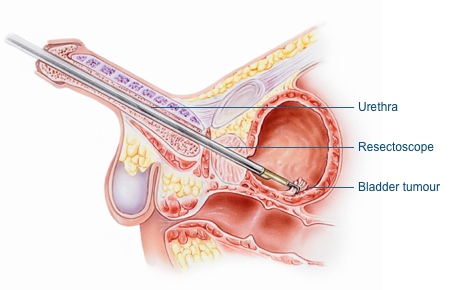
Trans Urethral Removal of Bladder Tumor (TURBT) is a procedure conducted to remove tumors or abnormal growths from the inner lining of the bladder. This approach is minimally invasive, utilizing a cystoscope, a thin tube with a light and camera, inserted through the urethra to visualize and excise the tumor.
Why it's done
- Diagnostic Purpose:
Bladder Tumor Identification: TURBT is crucial for diagnosing and identifying bladder tumors, both cancerous and non-cancerous. The procedure allows for a detailed examination of the bladder lining to detect any abnormal growths or lesions.
Tissue Sampling: TURBT enables the collection of tissue samples (biopsy) from the bladder tumors. These samples are then analyzed by pathologists to determine the nature of the tumor, whether it is cancerous, and the specific type of cancer if present.
- Therapeutic Purpose:
Tumor Removal: Beyond diagnosis, TURBT serves a therapeutic purpose by allowing the surgeon to remove or reduce the size of bladder tumors. This can be particularly effective for non-invasive or early-stage bladder cancers.
Treatment of Recurrent Tumors: For individuals with recurrent bladder tumors, TURBT may be a part of a comprehensive treatment plan to manage and control the growth of tumors within the bladder.
- Preventive Measures:
- Preventing Spread: TURBT can help prevent the spread of bladder cancer by removing localized tumors. Early intervention with TURBT may contribute to better outcomes and reduced risks of cancer progression.
Risk
- Bleeding
- Infection
- Bladder Perforation
- Scar Tissue Formation
- Recurrence of Tumors
- Urinary Retention
- Reaction to Anesthesia
How do I get ready for Trans Urethral Removal of Bladder Tumour (TURBT) surgery?
Preoperative Consultation:
- Schedule a preoperative consultation with your urologist at Indotaj Medical Center.
- Discuss your medical history, including any existing health conditions, medications, allergies, and previous surgeries.
Diagnostic Tests:
- Undergo any necessary diagnostic tests, such as imaging studies or cystoscopy, to assess the size and location of the bladder tumor.
Medication Review:
- Review your current medications with your healthcare provider. Adjustments or temporary discontinuation may be necessary, especially for blood-thinning medications.
Fasting Instructions:
- Follow specific fasting instructions provided by your healthcare team, typically requiring you to refrain from eating or drinking for a specified period before the surgery.
Preoperative Health Optimization:
- Work with your healthcare team to optimize your overall health before the surgery. This may include managing chronic conditions, quitting smoking, and making lifestyle adjustments.
Urinalysis and Blood Tests:
- Provide a urine sample for urinalysis to check for any existing urinary tract infections.
- Undergo blood tests to assess your overall health and ensure that you are fit for surgery.
Arrange Transportation:
- Plan for transportation to and from the hospital or surgical center on the day of the procedure, as you may not be able to drive yourself.
Postoperative Care Planning:
- Discuss postoperative care instructions with your healthcare team, including guidance on managing pain, potential complications, and scheduling follow-up appointments for ongoing assessment.
Support System:
- Ensure you have a support system in place, including someone to assist you at home during the initial recovery period.
- Ask Questions:
- Feel free to ask any questions or seek clarification about the TURBT procedure, potential risks, and the expected recovery process.
